

DIY crafts don’t have to be complicated, expensive, or intimidating. In fact, the best projects are the ones you can start with what you already have, enjoy while making, and feel proud of when you’re done. Whether you’re crafting for fun, decorating your home, or looking for a relaxing hobby, simple DIY projects can fit right into everyday life.
This guide breaks down DIY crafting into easy, approachable steps. No special skills. No fancy tools. Just practical ideas that actually work.
Start With the Right Mindset
Before picking up supplies, it helps to shift how you think about crafting. DIY isn’t about perfection. It’s about experimenting, learning, and enjoying the process.
Keep these ideas in mind:
- Mistakes are part of the charm
- Simple projects build confidence
- Finished is better than flawless
If a craft looks handmade, that’s a good thing. Small imperfections give personality and warmth.
Choose Beginner-Friendly Projects
Not all crafts are created equal. Some require advanced techniques, while others are designed for anyone to try. If you’re just starting out, choose projects that use basic steps and common materials.
Good beginner DIY crafts include:
- Paper garlands or wall hangings
- Painted jars or containers
- Simple fabric projects like no-sew pillows
- Handmade cards or gift tags
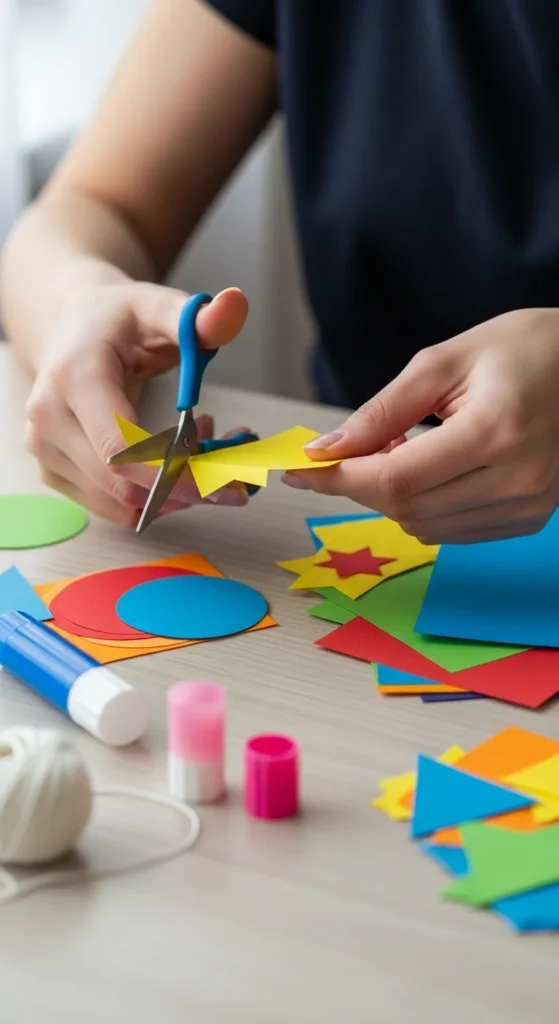
These projects don’t require special tools, and they offer quick results. That sense of completion keeps you motivated.
Gather Simple, Affordable Supplies
You don’t need a fully stocked craft room. Many DIY projects use items you already own or can find easily.
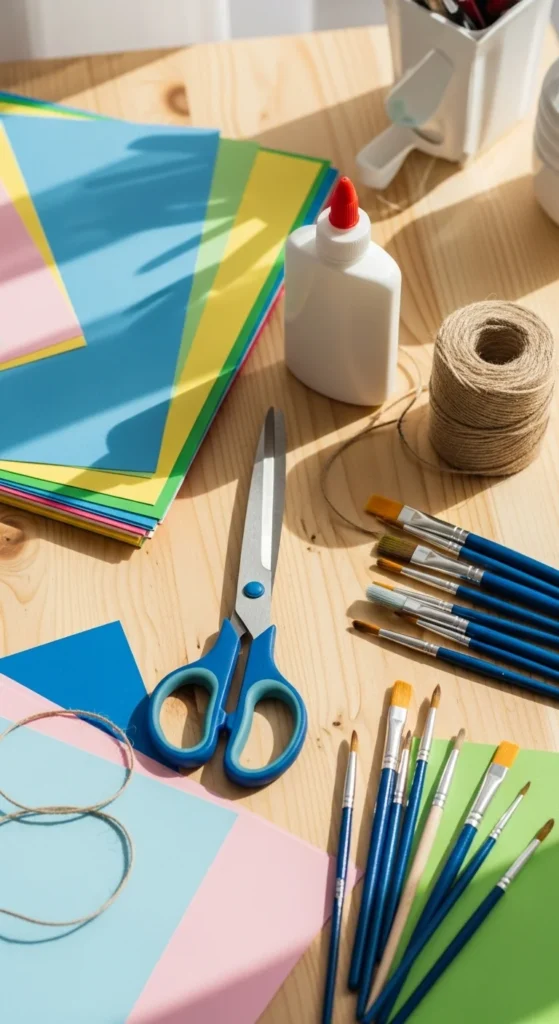
Common craft basics:
- Scissors
- Glue or craft adhesive
- Paper or cardstock
- Paint and brushes
- Twine, ribbon, or yarn
Before buying anything new, look around your home. Old containers, leftover fabric, cardboard, or jars often work perfectly.
Tip: Keep a small craft box where you collect reusable items. It makes starting a project much easier.
Break Each Craft Into Clear Steps
One reason DIY feels overwhelming is when instructions seem long or unclear. The trick is to break everything into small, manageable actions.
Instead of thinking:
“Make a wall decoration”
Think:
- Cut the base shape
- Paint or decorate it
- Let it dry
- Attach hanging string
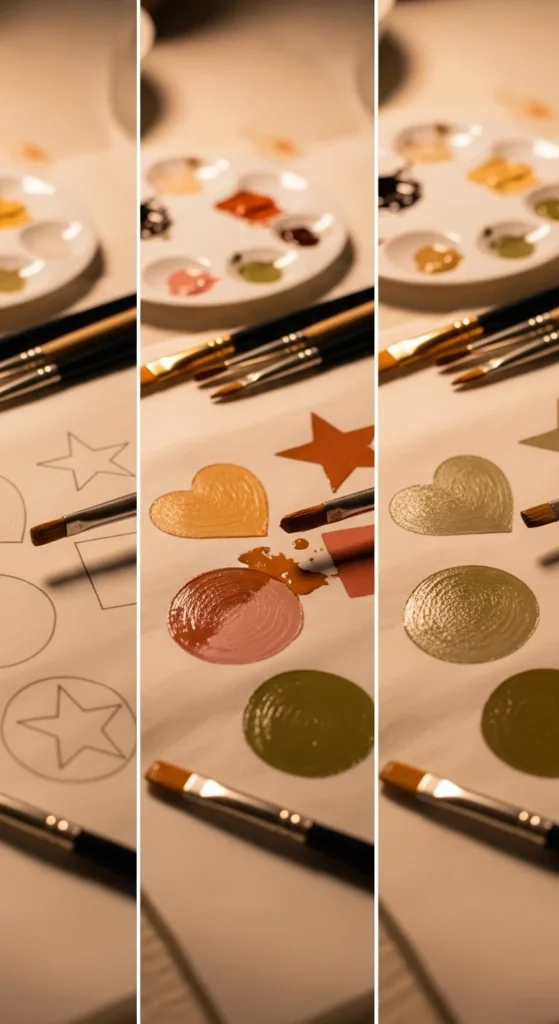
This approach keeps projects approachable and helps prevent frustration. You’ll always know what to do next.
Use Time-Saving Techniques
DIY crafts should fit into real life. You don’t need hours of free time to create something meaningful.
Try these time-saving ideas:
- Work in short sessions
- Choose fast-drying materials
- Prep multiple items at once
- Clean as you go
For example, if you’re painting jars, paint several together instead of one at a time. Small efficiencies make crafting more enjoyable.
Customize Without Overcomplicating
Personal touches make DIY projects special, but customization doesn’t have to be complex.
Easy ways to personalize crafts:
- Pick colors you love
- Add initials or simple symbols
- Use textures like twine or fabric
- Mix matte and glossy finishes
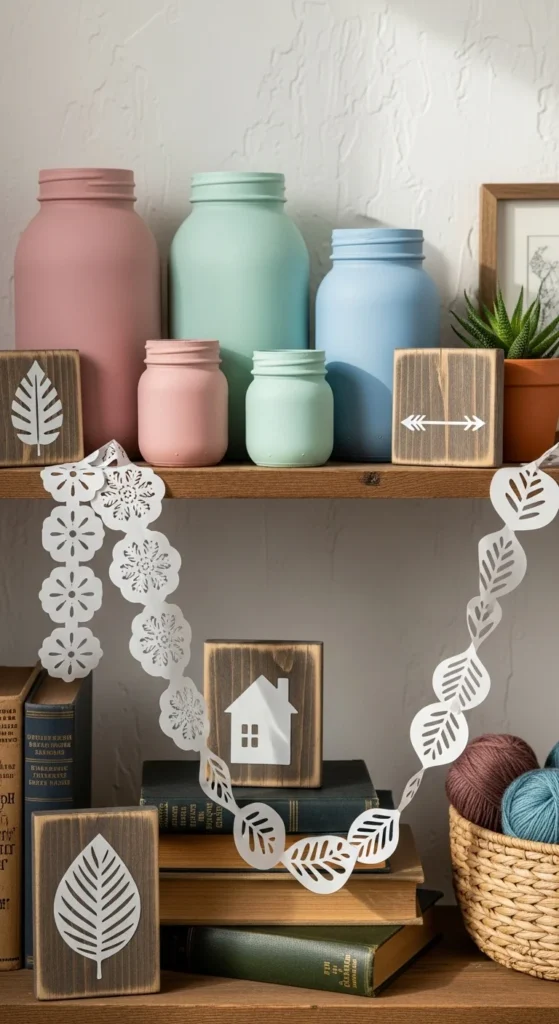
Stick to one or two design elements per project. Too many details can make things feel cluttered or stressful.
Fix Common DIY Mistakes Easily
Every crafter runs into issues. The good news is most mistakes are easy to fix.
Quick solutions:
- Uneven paint? Add a second coat
- Crooked cuts? Turn them into intentional shapes
- Glue marks? Cover with embellishments
If something doesn’t go as planned, pause and reassess. Often, the fix leads to a more creative result.
Build Confidence With Repetition
The more you craft, the easier it becomes. Repeating similar projects helps you develop skills without pressure.
Try:
- Making the same project in different colors
- Reusing a technique across multiple crafts
- Slightly upgrading a past project
Confidence grows through practice, not perfection.
Final Thoughts: Keep It Fun and Simple
DIY crafting is about enjoyment, not stress. Start small. Use what you have. Let yourself experiment without expectations. The best crafts are often the simplest ones made with care.
Save this guide for later, pick one easy project, and give it a try today. You might surprise yourself with what you can create

Leave a Reply