

Kids love to create—and when you bring crafts home, you’re giving them more than a fun afternoon. You’re building confidence, patience, and imagination with your own two hands. The best part? You don’t need fancy supplies or a huge budget. With a few basics and a little planning, DIY crafts can become a go-to activity that kids actually look forward to.
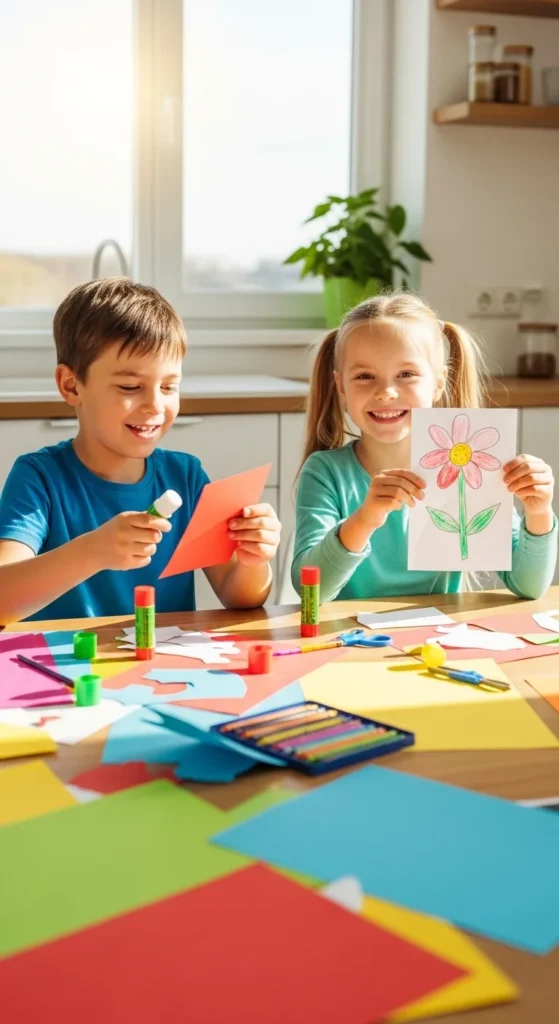
Why DIY Crafts Are Great for Kids
Crafting at home is more than keeping kids busy. It supports real learning in sneaky, fun ways.
Benefits kids get from crafting:
- Improves fine motor skills through cutting, coloring, and gluing
- Builds problem-solving and decision-making skills
- Encourages creativity without screens
- Creates quality bonding time
Research in early childhood education shows hands-on activities help kids process ideas better than passive entertainment. When kids make something themselves, they feel proud—and that feeling sticks.
Simple Supplies You Already Have at Home
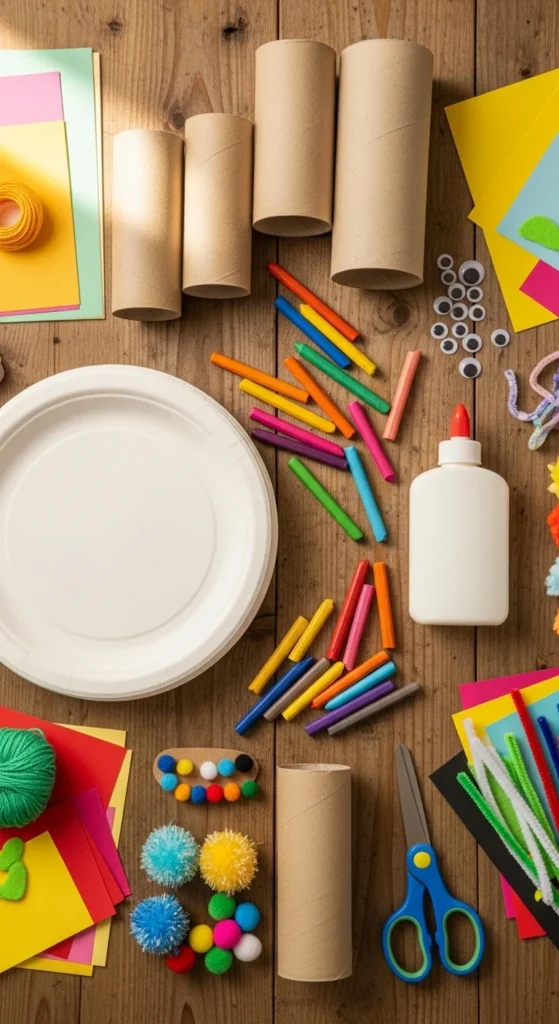
You don’t need a craft store run to get started. Most kid-friendly crafts use everyday items.
Start with these basics:
- Paper (white, colored, recycled mail)
- Crayons, markers, or colored pencils
- Glue sticks or child-safe glue
- Safety scissors
- Tape
- Paper plates, cardboard tubes, egg cartons
Optional extras like stickers, yarn, buttons, or old magazines can stretch creativity even further.
Easy DIY Craft Ideas Kids Love
When choosing projects, simple always wins. Kids enjoy crafts they can finish in one sitting.
Paper Plate Animals
Let kids turn paper plates into lions, fish, or frogs.
How to do it:
- Paint or color the plate
- Cut and glue ears, fins, or tails from paper
- Draw faces with markers
This craft helps with shape recognition and imagination.
Cardboard Tube Creations
Empty tubes can become rockets, binoculars, or mini animals.
Tip: Let kids decide what it becomes first—then build around their idea.
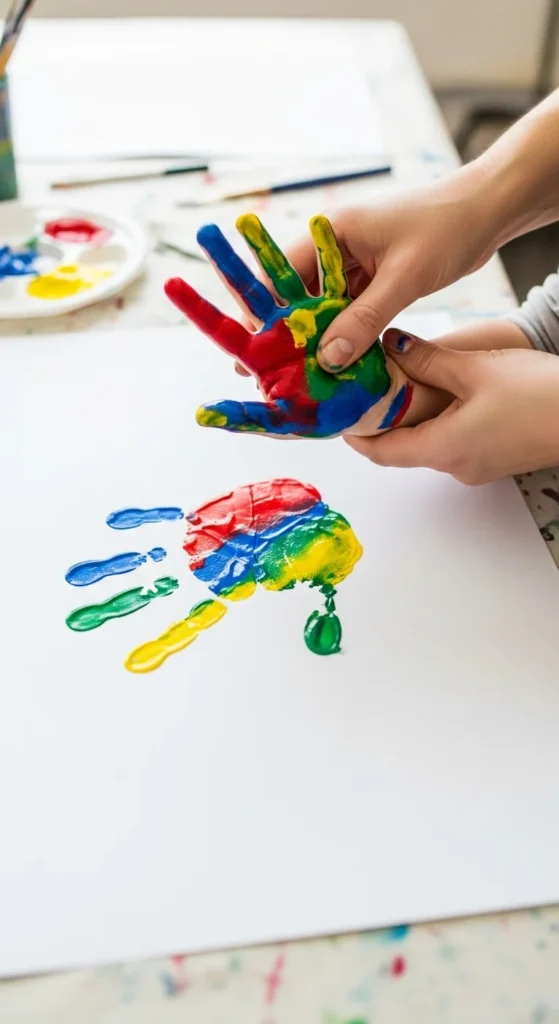
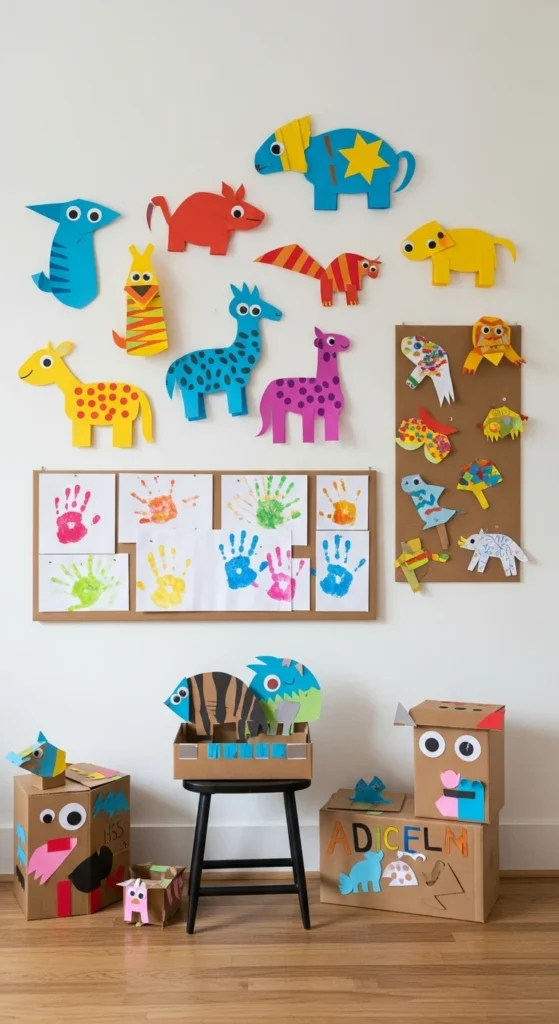
Handprint Art
Handprint crafts make great keepsakes.
Try this:
- Dip hands in washable paint
- Press onto paper
- Turn the print into animals, flowers, or trees
How to Set Up a Kid-Friendly Craft Space
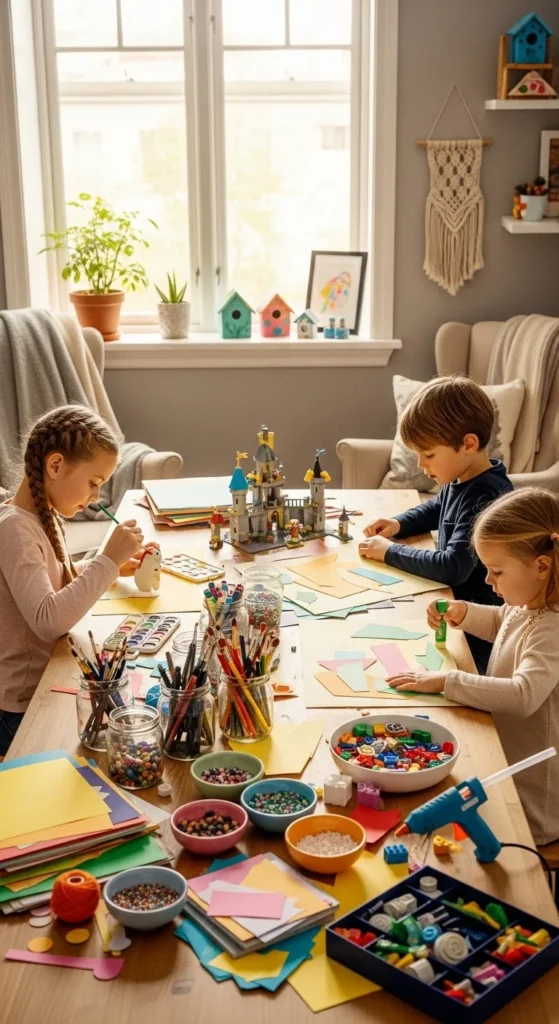
A good setup reduces mess stress and keeps kids focused.
Simple setup tips:
- Cover the table with old newspapers or a reusable mat
- Keep supplies in small bins or trays
- Use washable materials whenever possible
- Dress kids in old clothes
Create a “craft corner” if you can. When kids know where crafting happens, they feel more independent and excited to start.
Keeping Kids Engaged (Without Taking Over)
One of the biggest mistakes adults make is doing the craft for the child.
Instead:
- Demonstrate once, then step back
- Ask open-ended questions like “What do you want to add?”
- Praise effort, not perfection
- Let mistakes happen—they’re part of learning
Crafts don’t need to look perfect to be successful. The process matters more than the final result.
Age-Appropriate Craft Tips
Different ages need different approaches.
Ages 2–4
- Focus on coloring, stickers, and tearing paper
- Keep projects short
- Avoid small pieces
Ages 5–7
- Introduce cutting and simple instructions
- Try themed crafts (animals, seasons)
- Encourage storytelling about their creations
Ages 8+
- Let kids follow multi-step projects
- Introduce recycled materials
- Allow more independence
Adapting crafts by age keeps frustration low and fun high.
Turning Crafts Into Learning Moments
DIY crafts can quietly reinforce learning goals.
Easy learning tie-ins:
- Counting stickers or shapes
- Talking about colors and patterns
- Practicing letters through cut-out words
- Exploring nature themes with leaf or flower art
These small conversations add educational value without feeling like schoolwork.
Make It a Routine, Not a One-Time Thing
Crafting works best when it becomes part of your rhythm.
Try this:
- Pick one craft day per week
- Rotate supplies to keep things fresh
- Save finished crafts in a memory box
- Let kids plan the next project
Consistency builds excitement and confidence over time.
Final Takeaway
DIY crafts for kids don’t have to be complicated or expensive. With simple supplies, a relaxed mindset, and a little creativity, you can turn ordinary afternoons into meaningful moments. Let kids lead, embrace the mess, and enjoy the magic of making something together.
Save this guide for your next craft day—and let the creativity begin!

Leave a Reply