

Turning your creativity into real income is more achievable than ever. People love handmade items that feel personal, thoughtful, and one-of-a-kind. If you enjoy crafting in your free time, you’re already halfway there. The key is knowing what to make, how to price it, and how to present it so buyers feel excited to click “add to cart.”
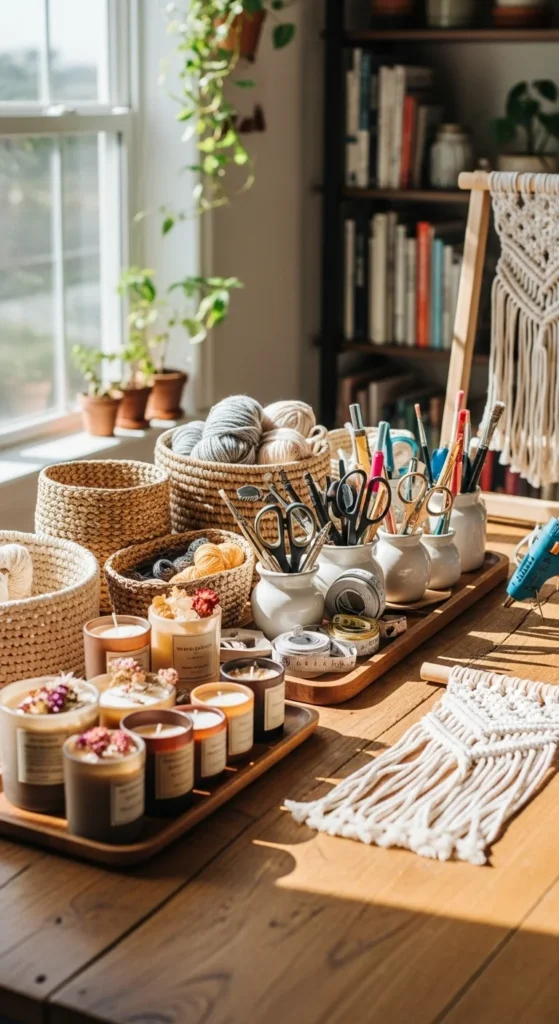
This guide walks you step-by-step through how to make DIY crafts that actually sell—and sell for profit.
Start With Crafts That People Already Buy
Not all crafts are equal when it comes to profit. The best DIY crafts solve a problem, decorate a space, or make a thoughtful gift.
High-demand craft categories include:
- Home décor (wall hangings, mirrors, planters)
- Personalized gifts (name signs, custom prints)
- Storage and organization items
- Seasonal décor (spring, holidays, events)
- Simple self-care items (candles, bath accessories)
Before making anything in bulk, search online marketplaces and social platforms. Look for:
- Repeated styles or colors
- High review counts
- Simple designs that you can recreate with your own twist
This research step prevents wasted time and materials.
Choose Materials That Balance Cost and Quality
Profit starts with smart material choices. Cheap supplies can hurt quality, but expensive ones can eat your margins.
Focus on:
- Materials that are easy to source locally or online
- Items that can be bought in bulk
- Supplies that look high-end when finished
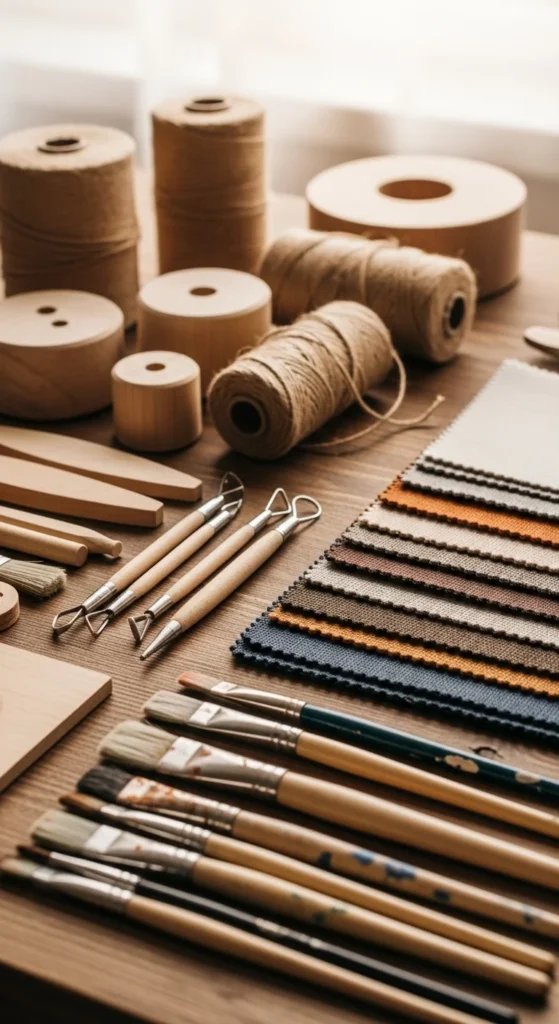
Tip: Keep a running list of cost per item, including:
- Materials
- Packaging
- Labels
- Tools (spread over multiple products)
Knowing your true cost makes pricing simple later.
Design With Speed and Consistency in Mind
When selling crafts, efficiency matters. A beautiful product that takes six hours to make may not be sustainable.
Ask yourself:
- Can I make this in batches?
- Can steps be repeated the same way each time?
- Can parts be pre-assembled?
Batch crafting saves time and reduces mistakes. For example:
- Cut all pieces first
- Paint or finish everything together
- Assemble at the end
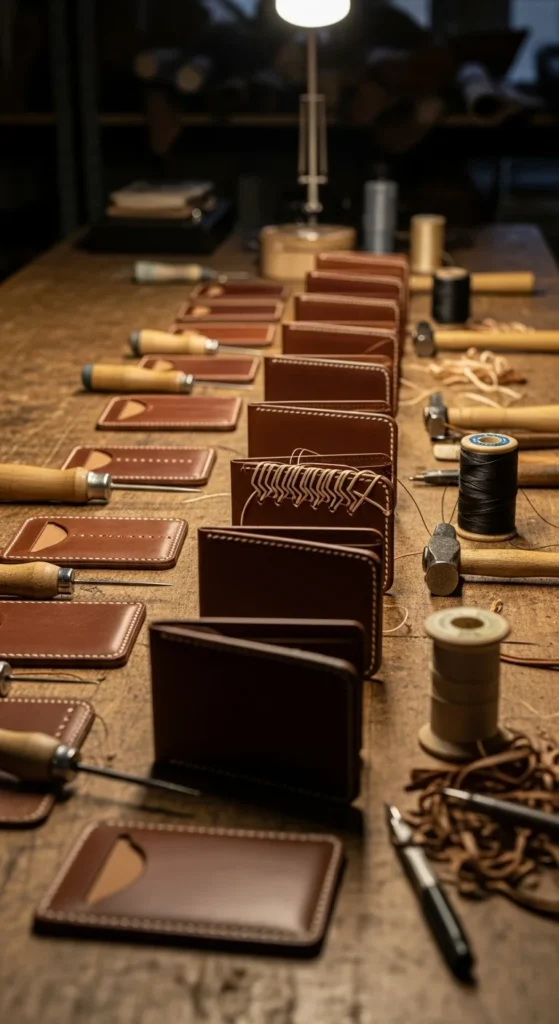
Consistency also builds trust. Buyers expect the same quality every time.
Price Your Crafts for Real Profit
Pricing is where many crafters struggle. Underpricing leads to burnout. Overpricing without value hurts sales.
A simple pricing formula:
- (Material cost + packaging) × 2
- Add your hourly labor
- Add a small profit buffer
Example:
- Materials + packaging: $6
- Labor: $12
- Profit buffer: $4
Final price: $22
Do not forget platform fees if selling online.
Buyers pay more when they understand the value. Clear descriptions help justify your price.
Make Your Crafts Look Irresistible Online
Your product photos do the selling before a single word is read.
Strong photos include:
- Natural light
- Clean backgrounds
- Real-life settings (on a shelf, wall, or table)
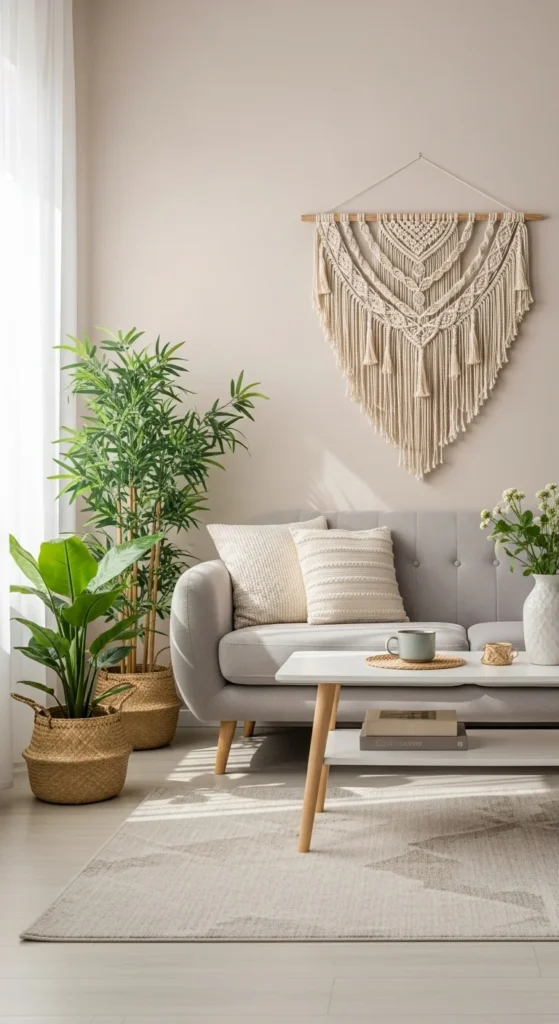
Use multiple angles:
- Full product
- Close-up details
- In-use styling
Pinterest-style images perform especially well for handmade goods.
Write Simple Descriptions That Sell
Keep your product descriptions friendly and clear. Avoid long paragraphs.
Include:
- What the item is
- Who it’s perfect for
- How it’s used
- Size and materials
- Care instructions
Bullet points help skimmers. Short sentences feel more human and trustworthy.
Package Like a Small Brand, Not a Hobby
Packaging matters more than people think. It’s part of the product experience.
Affordable packaging ideas:
- Kraft boxes
- Tissue paper
- Twine or ribbon
- Simple thank-you cards

Good packaging encourages repeat buyers and word-of-mouth sharing.
Start Small and Test Before Scaling
You don’t need a huge inventory on day one.
Start with:
- 2–3 product designs
- Small batches
- Limited color options
Track:
- Which items sell fastest
- Common questions from buyers
- Feedback in reviews
Then improve and expand based on real demand.
Final Takeaway
Making DIY crafts to sell for profit is about smart choices, not just creativity. Choose products people want, control your costs, work efficiently, and present your crafts like a brand—not a side project.
Save this guide, start with one craft, and take the first step toward turning your handmade skills into steady income.

Leave a Reply