

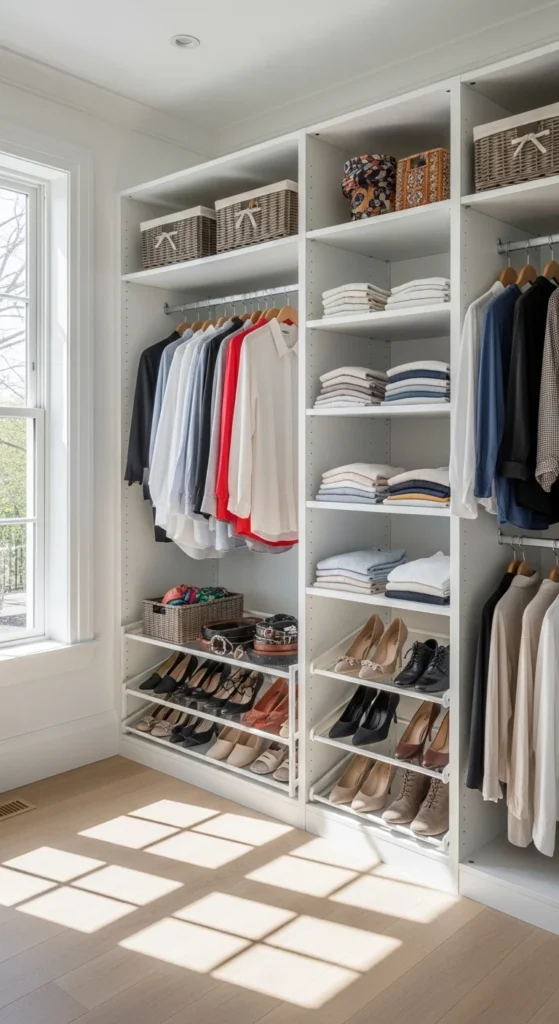
A cluttered closet can make getting dressed stressful, but with some smart organization, it can become a functional, calming space. Simple changes like adding storage bins, hooks, or clever shelf arrangements can make your wardrobe more accessible and enjoyable. You don’t need a big budget or fancy tools—small, practical tweaks can have a big impact. From DIY storage hacks to smart placement of everyday items, these 24 closet organization ideas are designed to help you create a space that feels tidy, easy to use, and visually appealing.
1. Use Slim Hangers for Extra Space
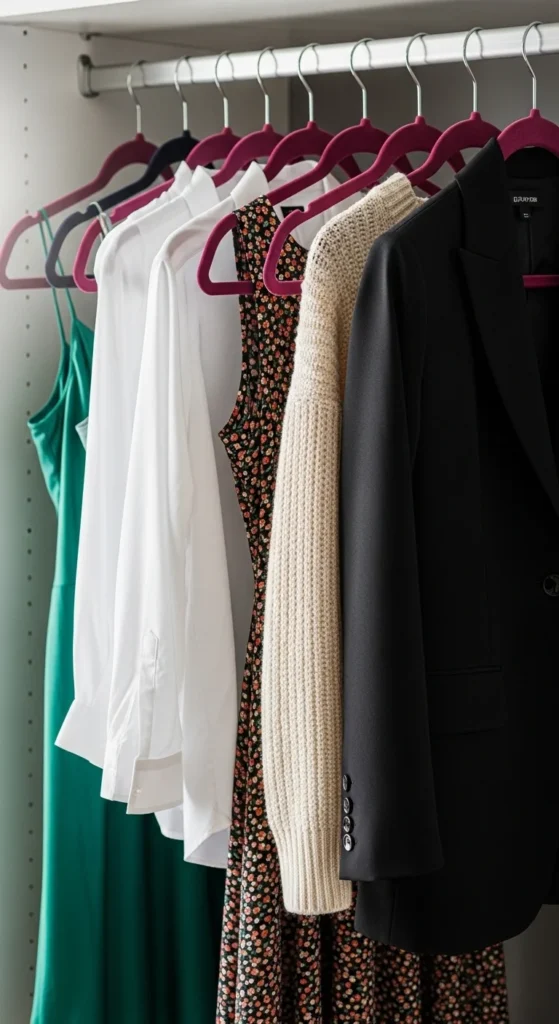
Switching to slim hangers instantly creates extra space in your closet. Velvet or non-slip hangers keep clothes from slipping and prevent stretching. Using the same style also makes your closet look cleaner. You can often find affordable packs at big-box stores or online. Hang similar items together—shirts, dresses, jackets—to make things easier to find. If you’re feeling crafty, paint wooden hangers to match your room décor. This small swap can free up several inches of hanging space.
2. Add Shelf Dividers
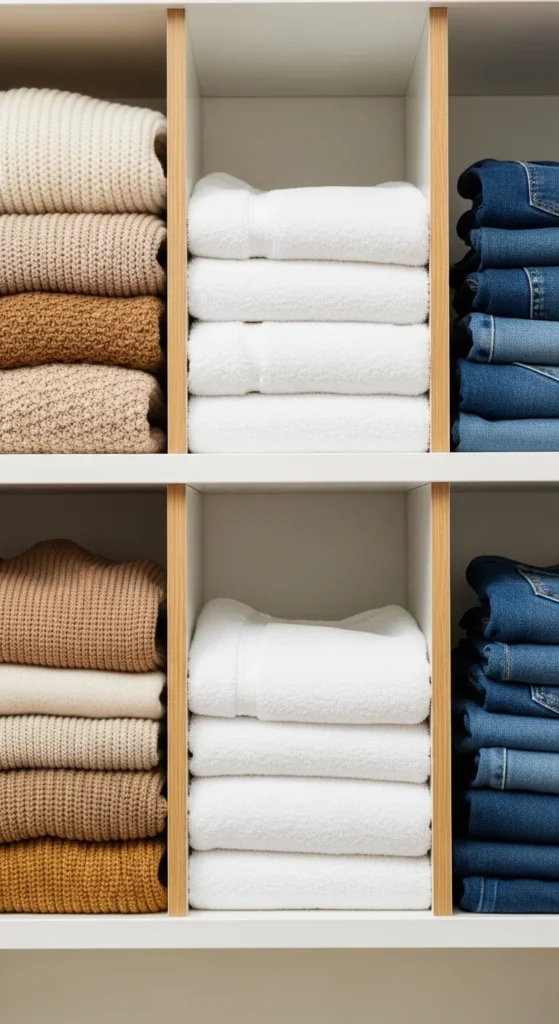
Shelf dividers prevent piles of clothes from toppling over. They work on any open shelving unit or built-in closet shelf. You can buy inexpensive plastic or wood dividers or make DIY versions from cardboard covered in fabric. Group similar items together and use dividers to create neat sections. This keeps sweaters, t-shirts, or jeans stacked and visible. Dividers also help maintain organization over time, so you’re less likely to shuffle things and create clutter.
3. Install a Double Rod
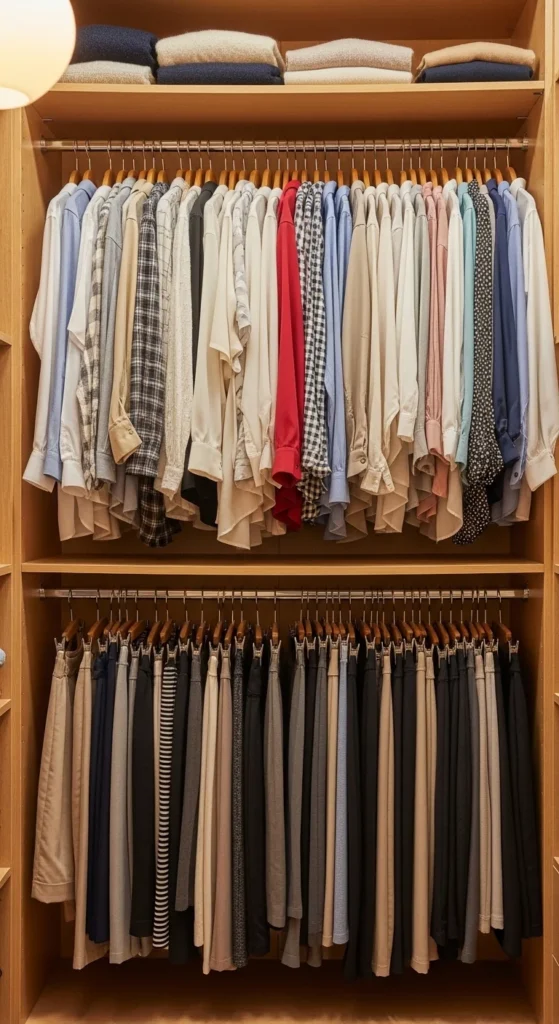
Adding a second hanging rod is a simple way to double your hanging space. Place one rod higher for tops and another lower for skirts or pants. Adjustable tension rods are cheap and easy to install. This works especially well in smaller closets where vertical space is underused. Color-coding hangers by season or type can make clothes easier to find. You can also use the bottom rod for short-term items like laundry or outfits for the week.
4. Use Clear Storage Bins
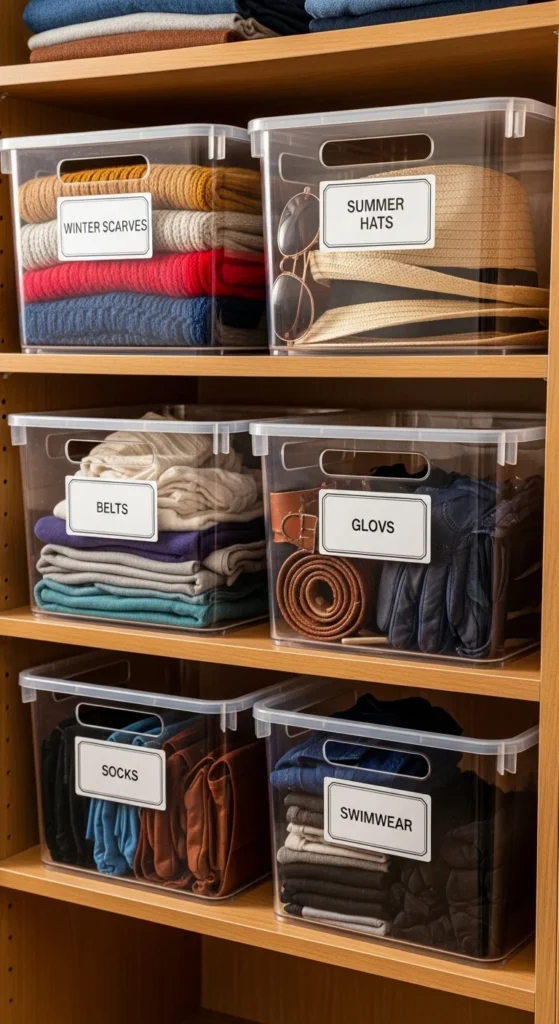
Clear bins allow you to see contents without opening boxes. They’re great for shoes, scarves, hats, and off-season clothing. Stick a small label or tag for added clarity. Stackable bins maximize vertical space. For budget-friendly DIY, reuse shoeboxes and wrap them in clear contact paper. Keeping items visible prevents forgotten clutter from piling up and helps maintain an organized closet.
5. Add Hooks Inside Doors
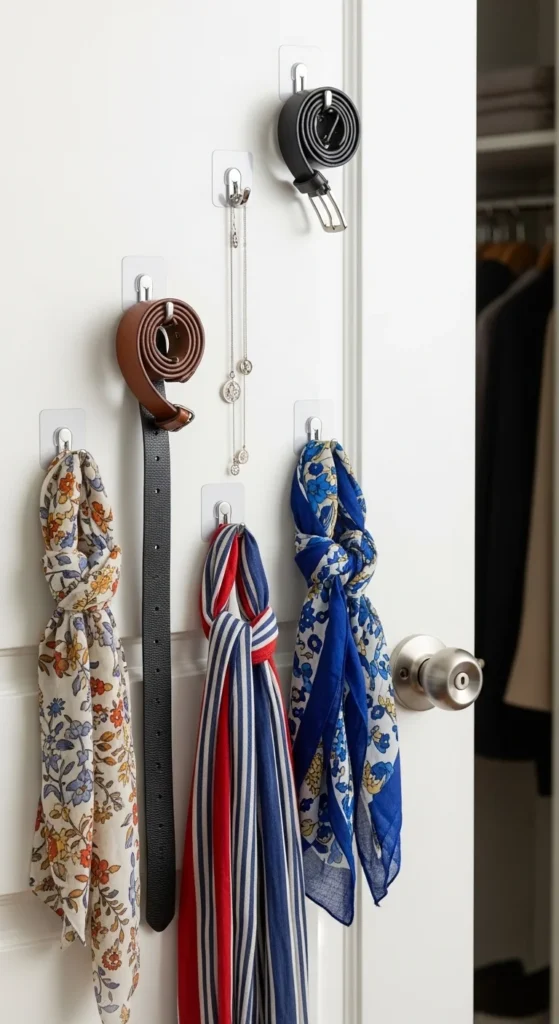
Hooks on the inside of closet doors create accessible storage for accessories. Use them for belts, scarves, hats, or bags. Adhesive hooks are inexpensive and leave no marks. You can also line the door with multiple rows of hooks for extra capacity. Group items by type or color to make them easier to find. This turns an underused surface into functional storage.
6. Utilize Drawer Organizers
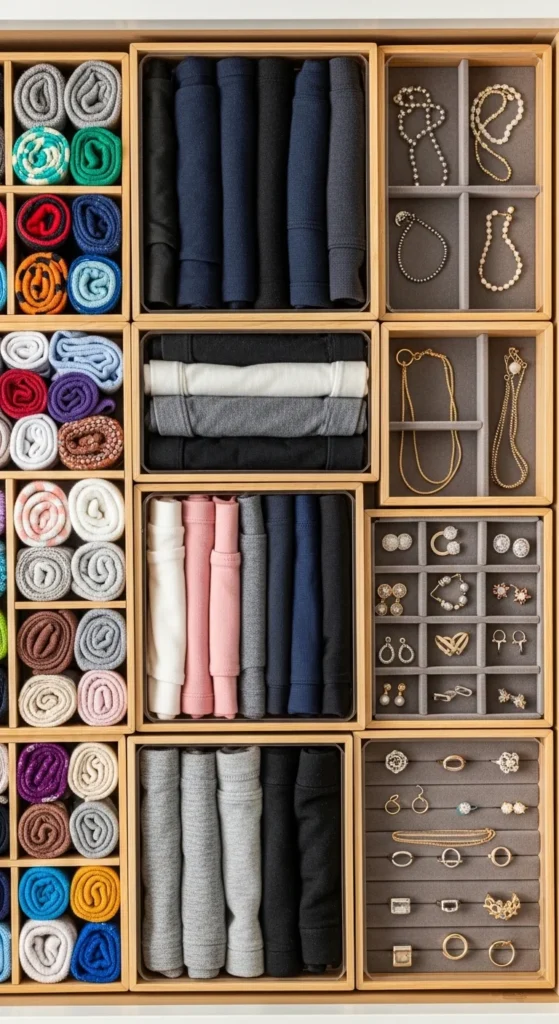
Drawer organizers keep small items from getting tangled. Use inexpensive plastic trays, bamboo organizers, or DIY cardboard sections. Divide items by type—socks, underwear, or accessories—to save time when getting dressed. Adjustable organizers allow you to customize spacing for different items. Keeping drawers orderly reduces the need to dig through piles and prevents clutter from spreading.
7. Hang a Shoe Rack
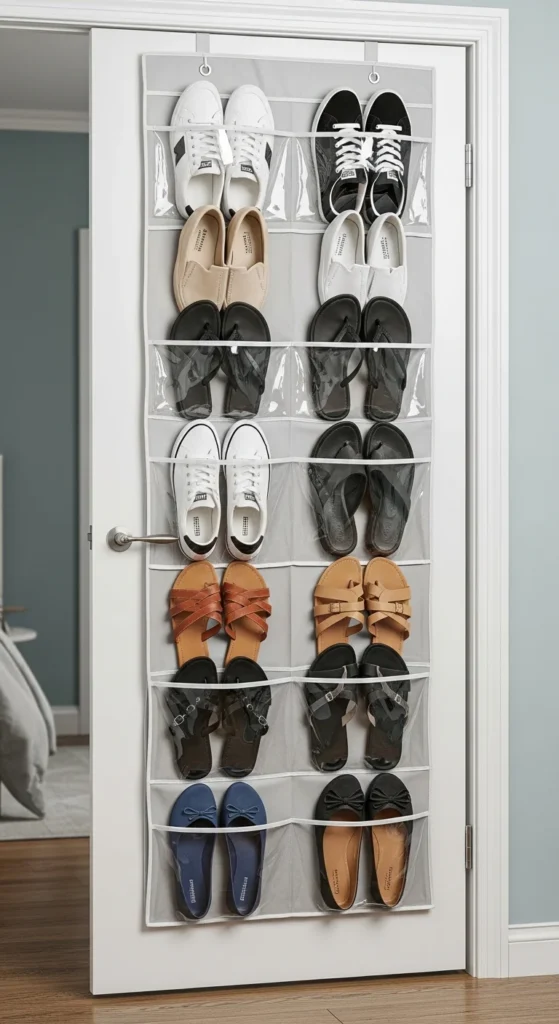
A hanging shoe rack is perfect for maximizing vertical space. Place it on the door or a closet wall. Fabric, mesh, or clear-pocket styles work well. Arrange shoes by type—heels, flats, sneakers—for easy access. This frees up floor space and prevents shoes from creating a tripping hazard. You can also label compartments if sharing space or storing seasonal footwear.
8. Store Off-Season Clothes Elsewhere
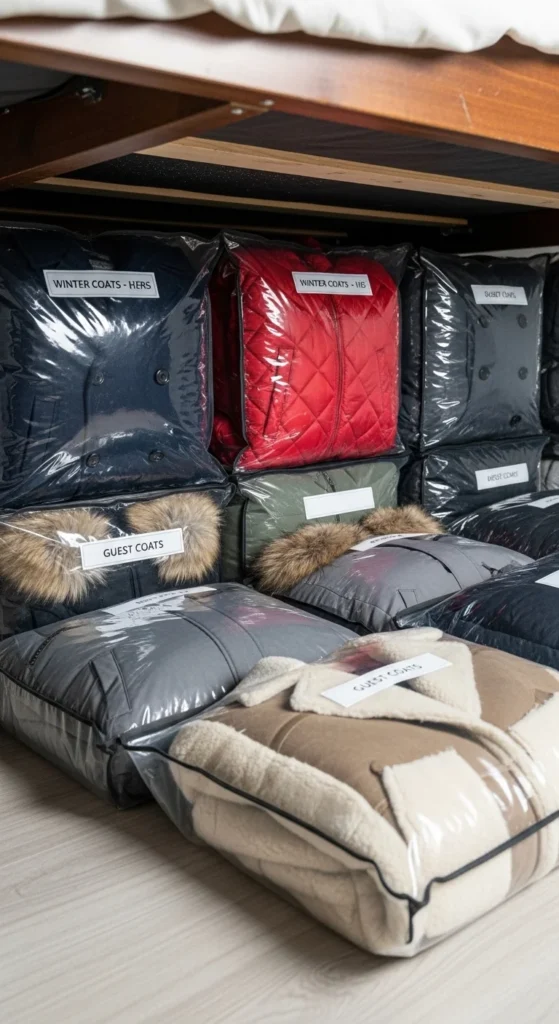
Keep off-season clothes out of the way to free closet space. Vacuum-sealed bags compress bulky items and protect them from dust. Store them under the bed, on high shelves, or in a spare closet. Label each bag clearly so you can grab items without opening every one. This simple trick prevents your main closet from feeling overcrowded.
9. Add a Belt and Tie Rack
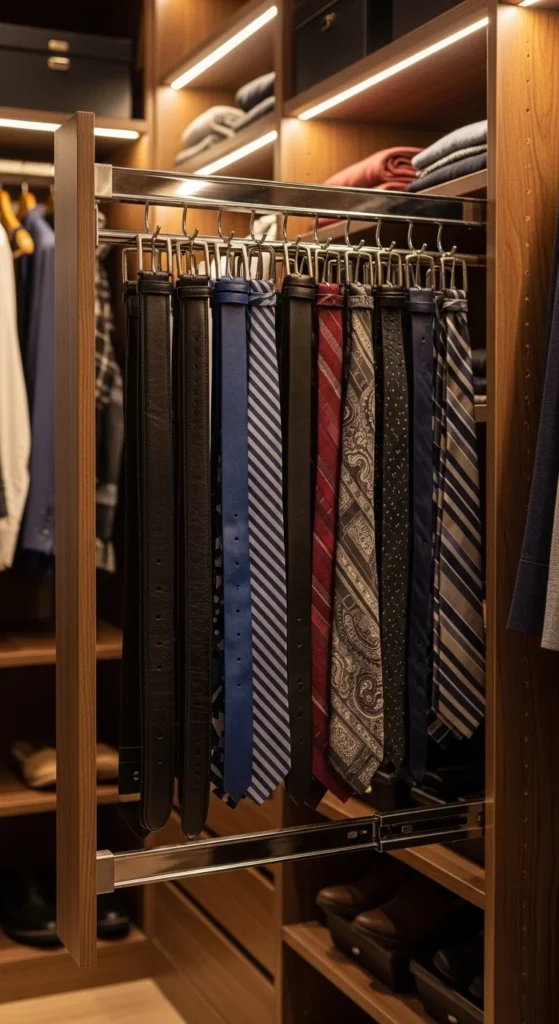
Dedicated racks keep belts and ties visible and tangle-free. Slide-out or wall-mounted options are affordable and easy to install. Organize by color or type for quick access. You can also repurpose small hooks or pegboards for a DIY version. This adds a functional touch without taking up much space.
10. Fold Clothes Vertically
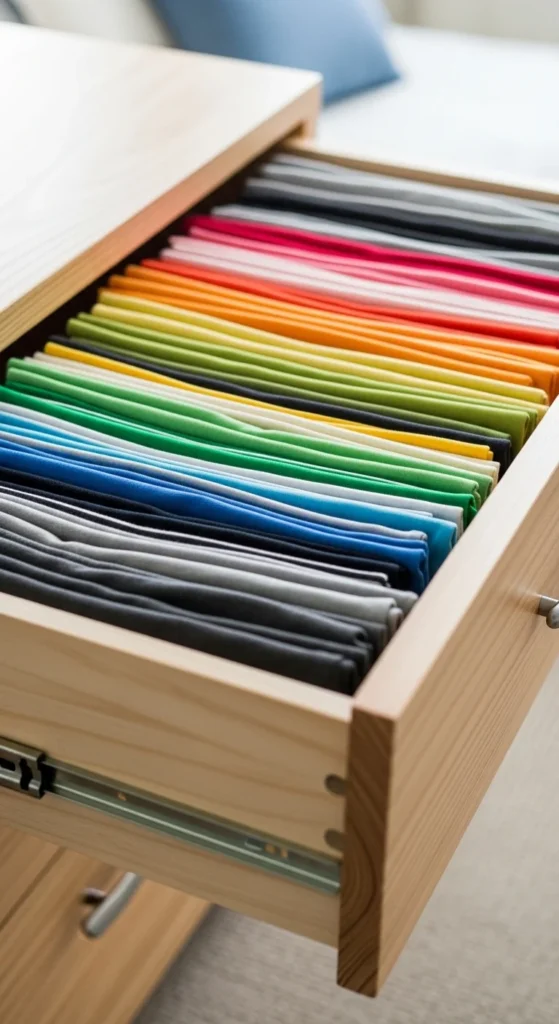
Instead of stacking, fold clothes vertically in drawers. This makes each item visible and accessible. Use the KonMari folding method or similar. Lightweight items like t-shirts, leggings, and shorts work best. Pair with drawer dividers for extra neatness. This approach reduces clutter and makes it easy to grab clothes without disturbing the entire pile.
11. Use Hanging Baskets
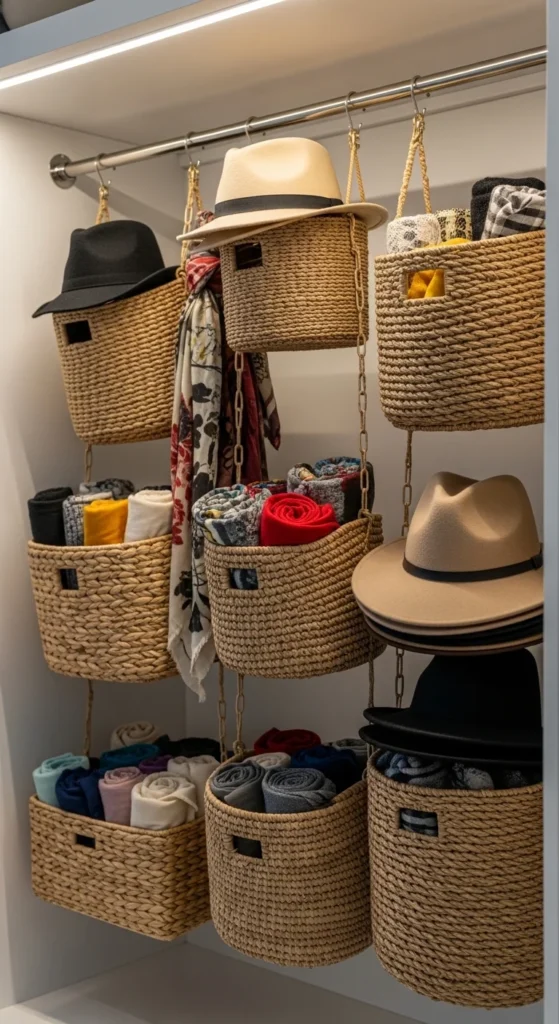
Hanging baskets create extra storage for lightweight items. Attach them to a rod or shelf for shoes, hats, or small handbags. You can even DIY with baskets and S-hooks. They add texture and make items easy to grab. This method works especially well in closets without much drawer space.
12. Label Everything
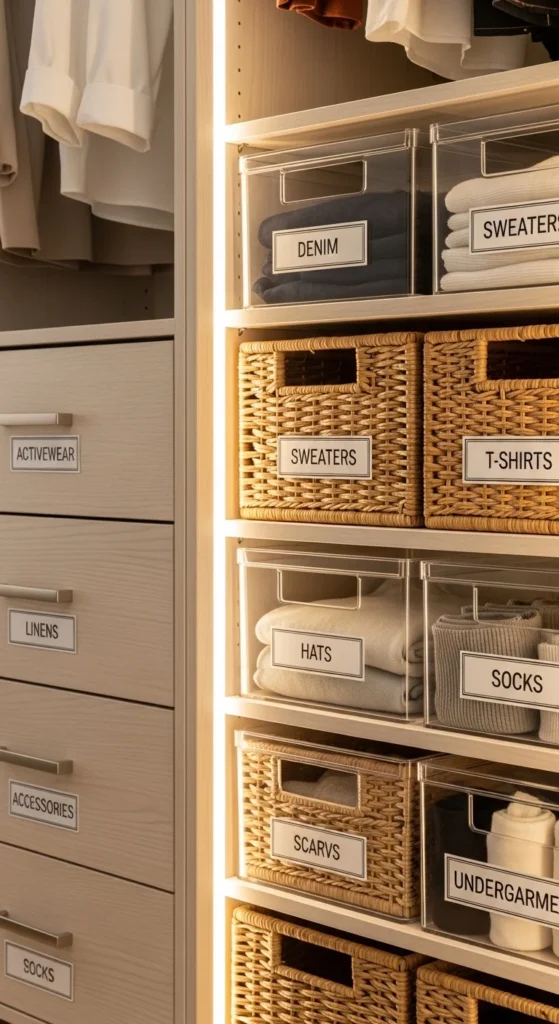
Labels make finding items faster. Use small adhesive labels, tags, or even masking tape. Group clothing by category—season, color, or type. Labels prevent items from being misplaced and keep the space orderly over time. You don’t need fancy printers; simple handwriting works fine. This tiny addition creates a sense of control and efficiency.
13. Create a Purge Station
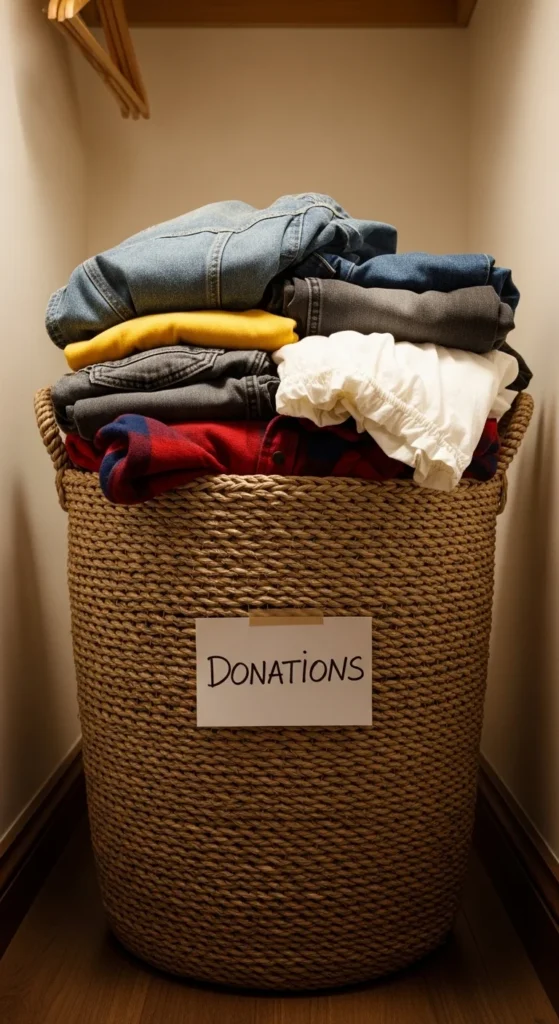
Have a small bin or basket for clothes you no longer wear. Drop items in as you sort through the closet. When full, donate or sell. This prevents clutter from accumulating and encourages regular decluttering. It also keeps your closet full of items you actually love and wear.
14. Use Stackable Shelves
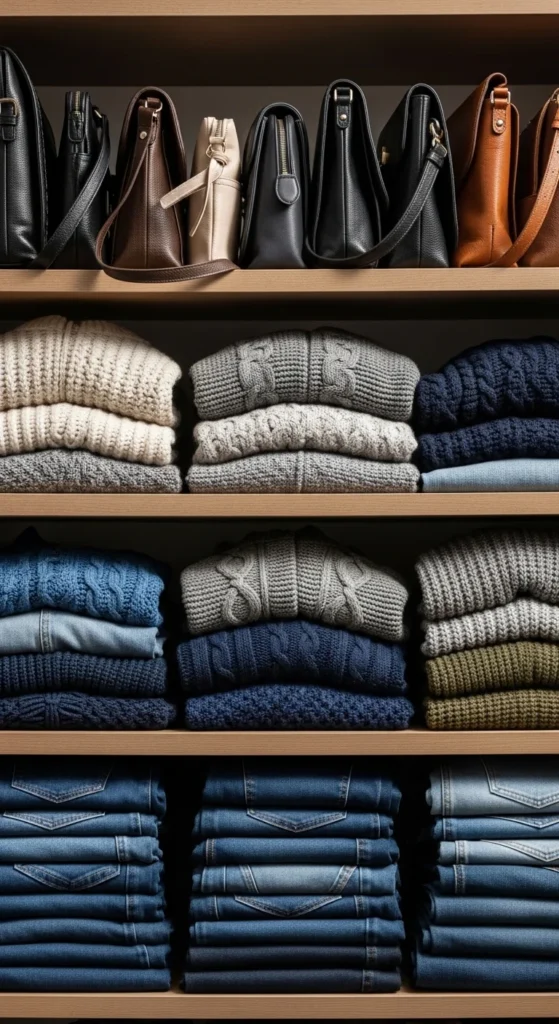
Stackable shelves multiply vertical space on existing closet shelves. Use them for folded clothes, shoes, or handbags. Affordable plastic or wooden units work well. You can create levels to separate types of clothing. This strategy maximizes unused vertical space without remodeling.
15. Add a Jewelry Organizer
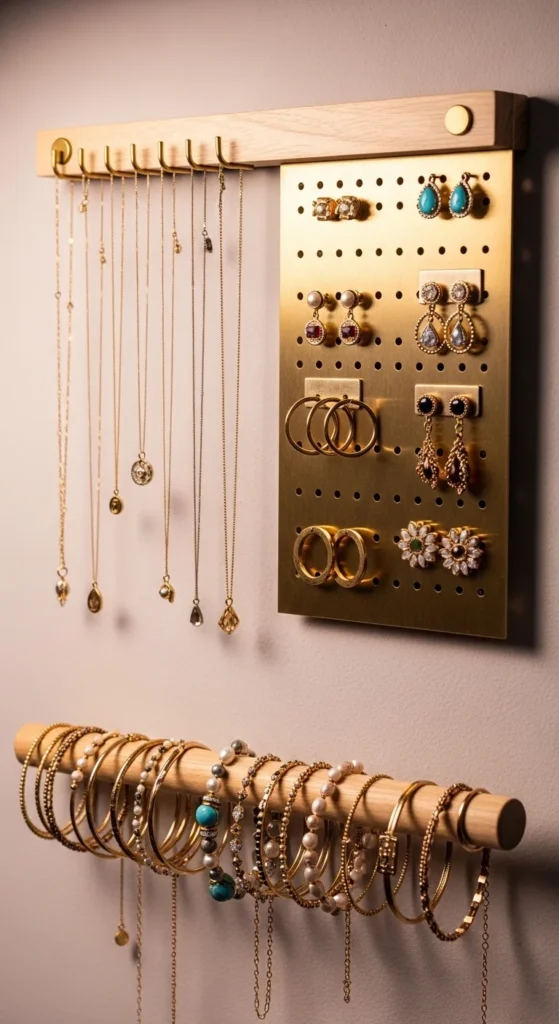
Keep jewelry visible and tangle-free with a wall or door-mounted organizer. Hooks, mesh panels, or compartment trays work well. Arrange by type or color for easy access. DIY options include corkboards or small pegboards. This keeps accessories organized and prevents damage from jumbled storage.
16. Hang Purse Hooks
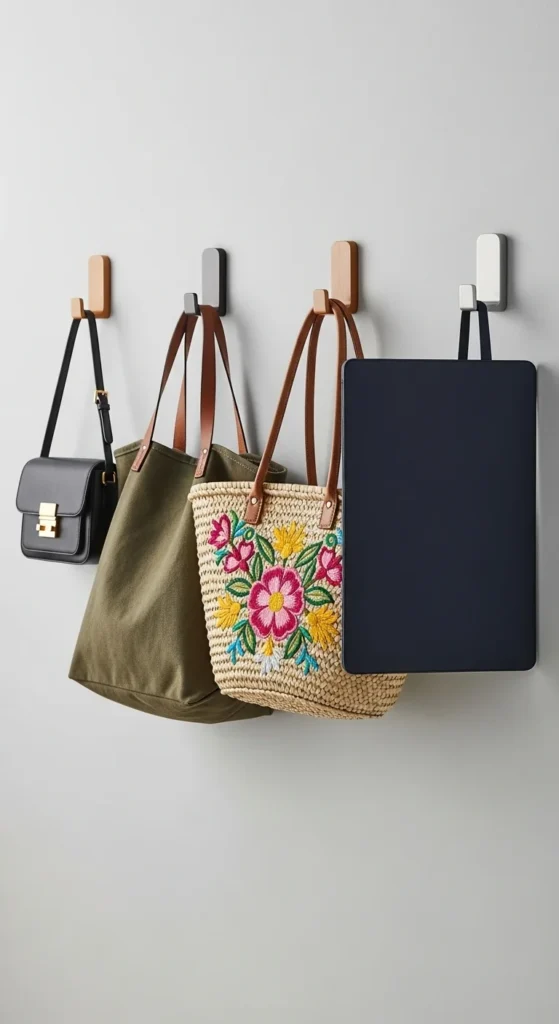
Purses take up a lot of shelf space if stacked. Hanging them on hooks keeps them accessible and off the floor. Install hooks along a closet wall or inside the door. Group by size or color for easy retrieval. This also allows each purse to maintain its shape and stay neat.
17. Use Clear Shoe Boxes
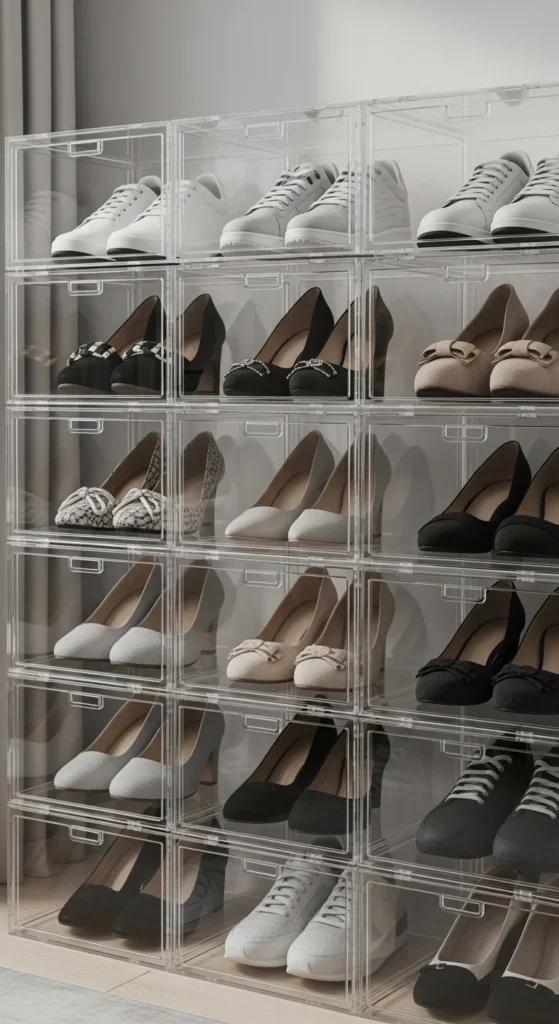
Clear shoe boxes help store and protect shoes. Stackable styles maximize space and keep shoes dust-free. Label each box or leave shoes visible through the front. This keeps footwear organized while allowing you to quickly spot the pair you need. Perfect for small closets where floor space is limited.
18. Hang a Laundry Bag
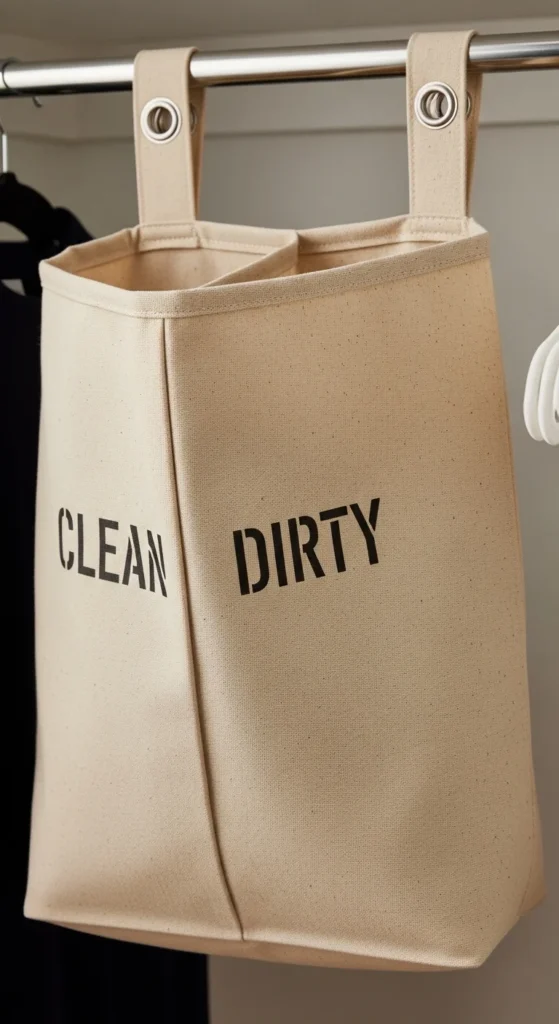
Install a hanging laundry bag to keep dirty clothes off the floor. Choose a lightweight canvas or mesh bag. You can also add multiple sections for sorting colors or delicates. Hanging bags are simple to install and help maintain floor space, keeping the closet looking neat.
19. Use Tension Rods for Accessories
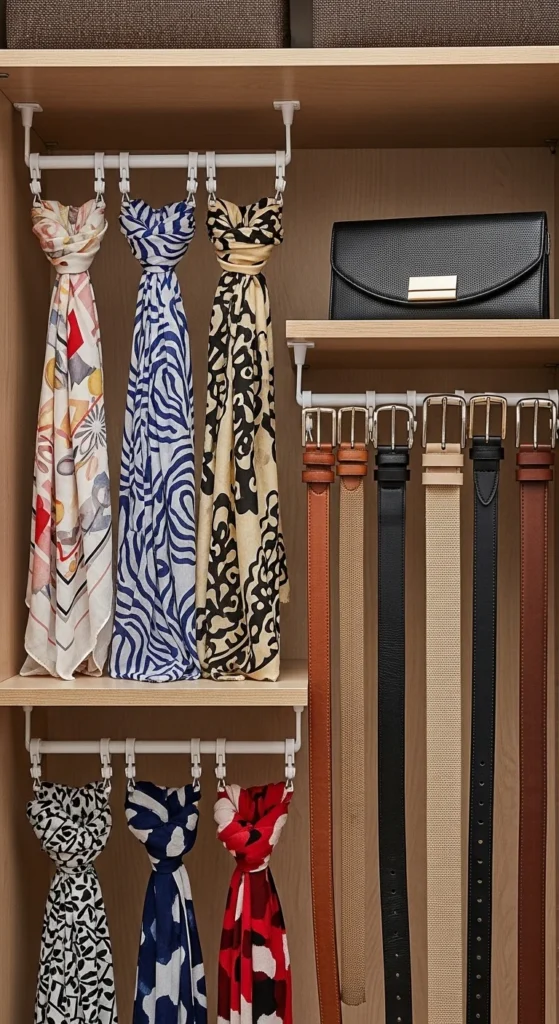
Tension rods aren’t just for curtains—they work in closets too. Place them horizontally to hang scarves, belts, or even folded pants. They’re easy to move and adjust. This inexpensive hack creates extra vertical storage without drilling. Group similar items together for quick access.
20. Create a Capsule Section
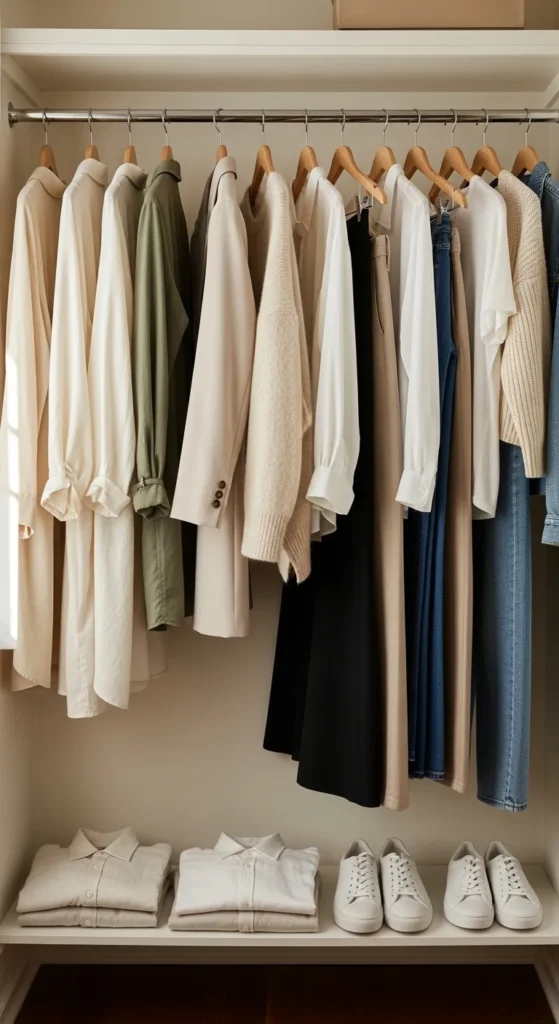
Set aside a section for your most-worn items. Keep core pieces visible and accessible. Rotate seasonally or by preference. This makes getting dressed faster and reduces visual clutter. Use slim hangers and consider adding a small shelf for accessories to complement this section.
21. Incorporate Pull-Out Drawers
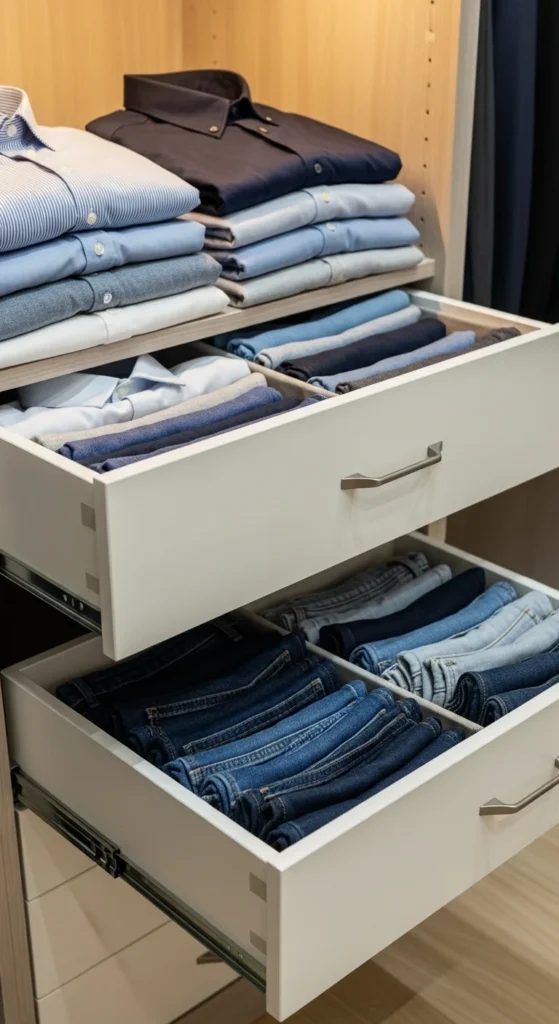
Pull-out drawers make deep shelves more usable. Items stay accessible without disturbing surrounding clothes. Affordable options are available as modular closet add-ons. They’re perfect for underwear, socks, or small clothing items. Combine with drawer dividers to maximize neatness.
22. Add Lighting
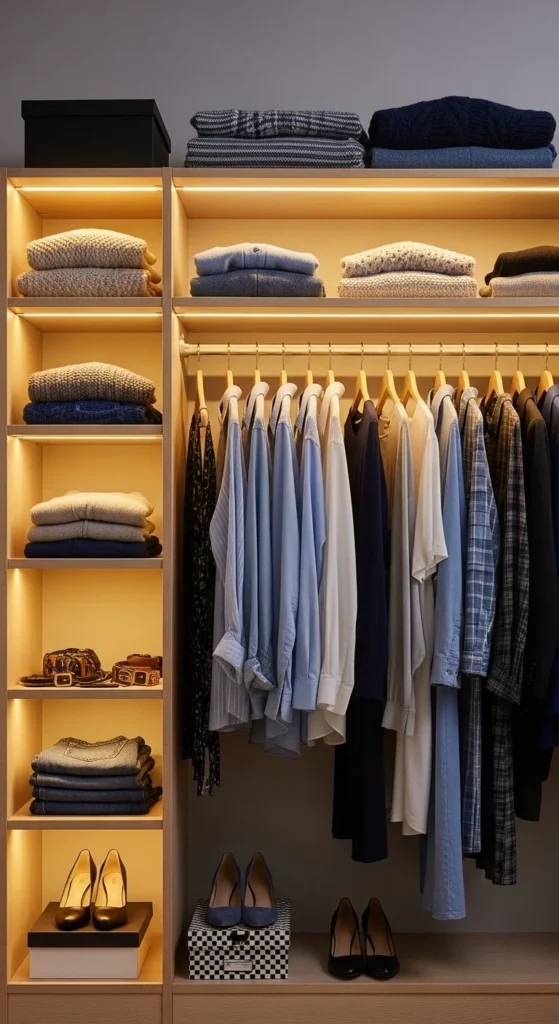
Good lighting makes a closet easier to navigate. LED strip lights or battery-powered puck lights are inexpensive and easy to install. Highlight shelves, hanging rods, or drawers. Proper lighting reduces stress when choosing outfits and highlights the tidy organization you’ve created.
23. Use Stackable Baskets for Accessories
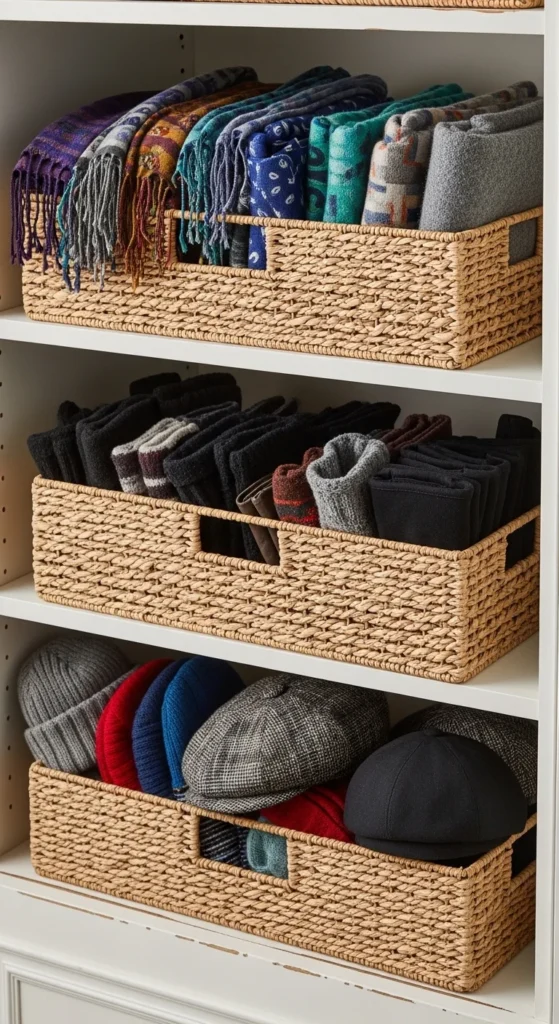
Stackable baskets separate smaller items like gloves, hats, or belts. They add texture and make it easy to pull out what you need. Affordable options include wicker or fabric baskets. This keeps items visible, tidy, and easy to rotate seasonally.
24. Keep a Step Stool Handy
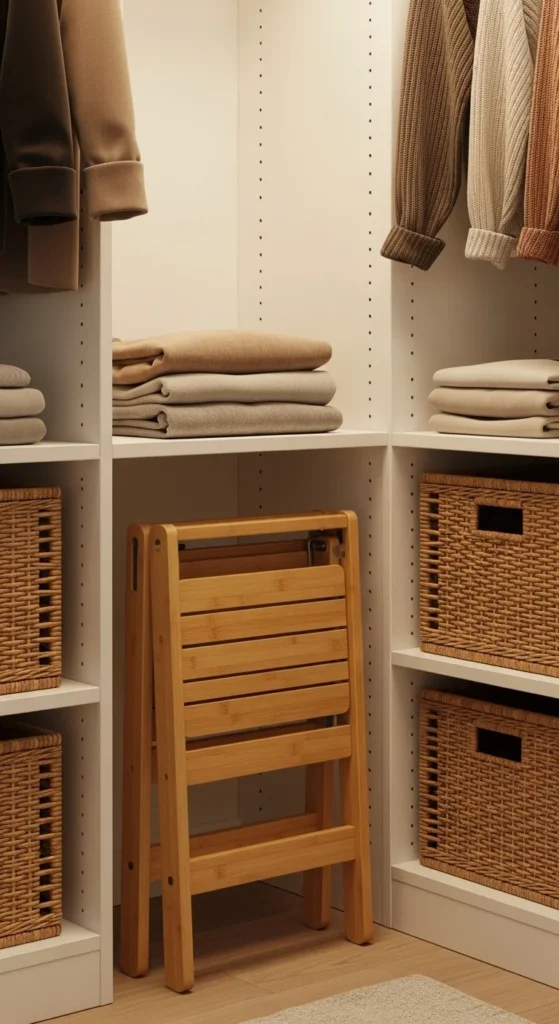
A step stool helps reach high shelves safely. Keep a compact or foldable version tucked in the closet corner. This lets you use vertical space without straining or risking accidents. It’s a simple addition that maximizes the closet’s storage potential.
Conclusion
A well-organized closet transforms the daily routine from stressful to seamless. Using these 24 ideas—simple swaps, DIY tricks, and practical storage solutions—you can create a space that feels airy, accessible, and visually appealing. Small changes like slim hangers, labeled bins, and hooks make a huge difference over time. Start implementing a few strategies today, and enjoy the clarity and ease that comes with a functional, organized closet.
Leave a Reply