

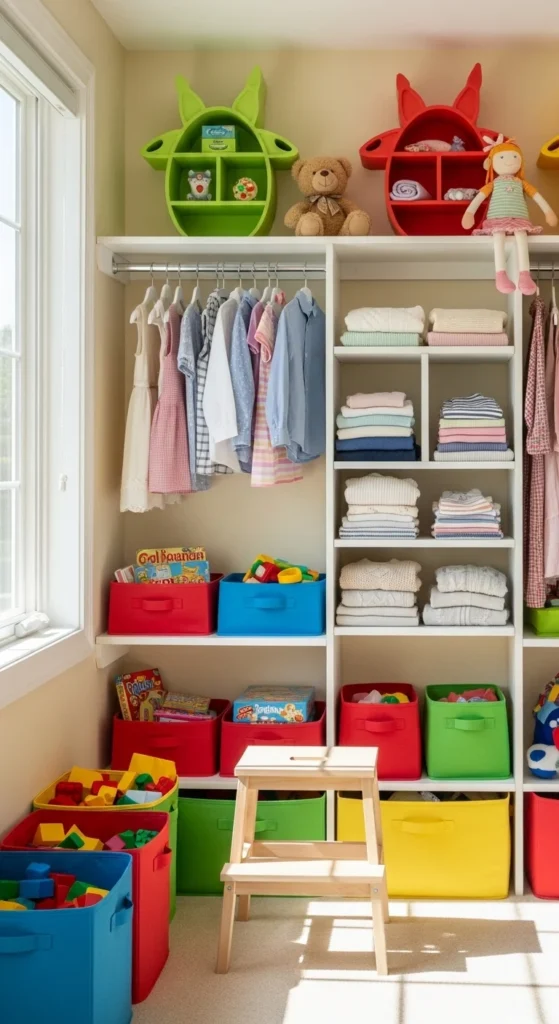
A cluttered kids’ closet can make mornings stressful and cleaning a chore. But with a few simple tweaks, you can turn it into a fun, organized, and practical space. From low-access shelves to colorful bins, small labels, and clever DIY storage, there are ways to make everything easy to find and put away. These 26 cute kids closet ideas are simple, budget-friendly, and kid-approved. Even small closets can feel airy and functional while keeping clothes, shoes, and toys in order.
1. Low-Hanging Clothes Rods
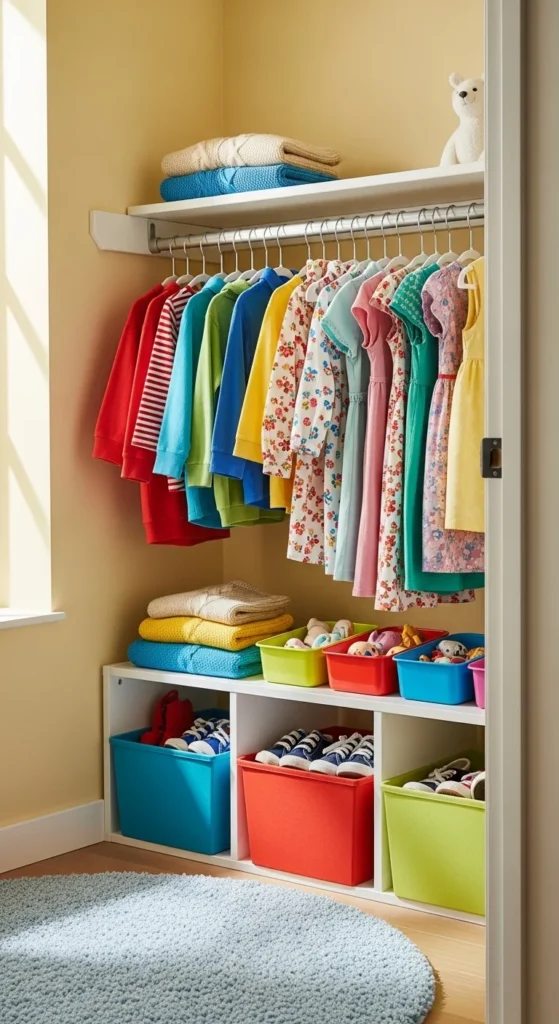
Install rods at a height your child can reach. This lets kids pick and hang their clothes independently, teaching responsibility and making mornings faster. Use colorful hangers to make it fun and visually clear what belongs where. You can repurpose an old tension rod or inexpensive wall-mounted rods for a budget-friendly solution. Add a small stool for slightly taller kids, so reaching new items is safe and easy. Rotate seasonal clothes to keep the area manageable.
2. Clear Plastic Bins
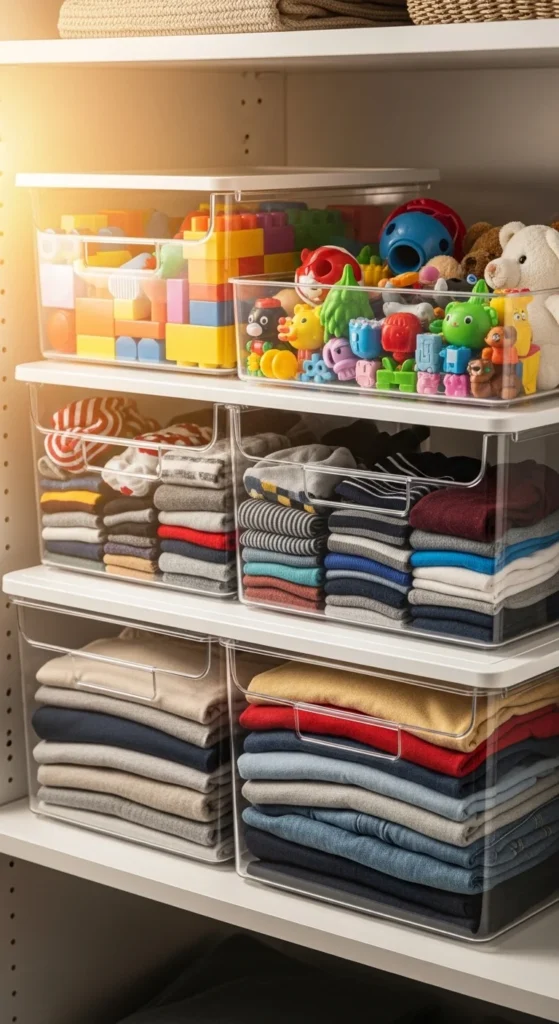
Clear bins allow kids to see contents at a glance. Label each bin with words or pictures for younger children. You can use bins for shoes, accessories, or small toys. Dollar stores often have durable, affordable options. Stack bins on shelves to maximize space. If bins are high, place the most used items at the bottom so kids can reach them without assistance. A simple bin system keeps the closet tidy even when kids are in a hurry.
3. Color-Coded Hangers
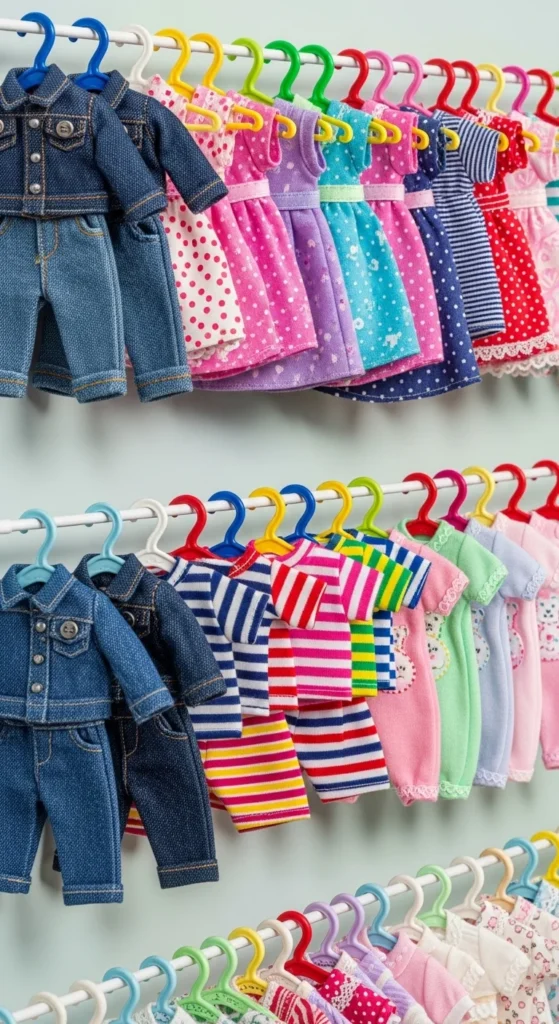
Use different colored hangers for shirts, pants, and dresses. This visually separates categories and helps kids put items back in the right spot. Plastic or wooden hangers work well. For toddlers, soft padded hangers prevent slipping. You can even make it a game—assign each color a day of the week or outfit type to encourage independence. This simple hack keeps hangers organized and adds a playful pop of color.
4. Shoe Racks at Floor Level
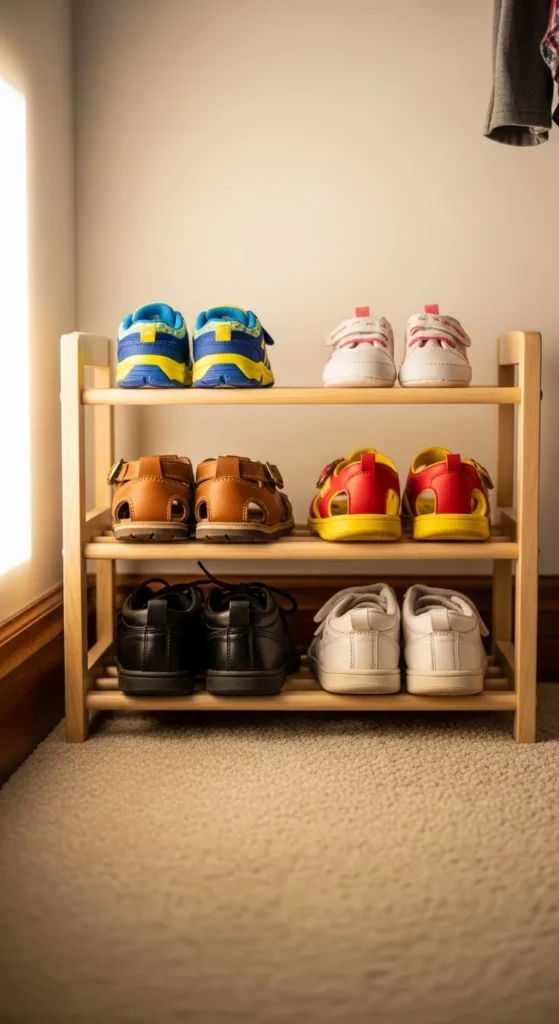
Kids often kick shoes off randomly. Floor-level shoe racks contain clutter and make shoes easy to grab. Consider a slanted rack for easy access. DIY options include using crates, baskets, or repurposed spice racks. Group shoes by type—daily shoes, dress shoes, or sports shoes—for faster selection. Keeping shoes visible teaches kids to match pairs and store them properly, saving time and frustration.
5. Pull-Out Baskets
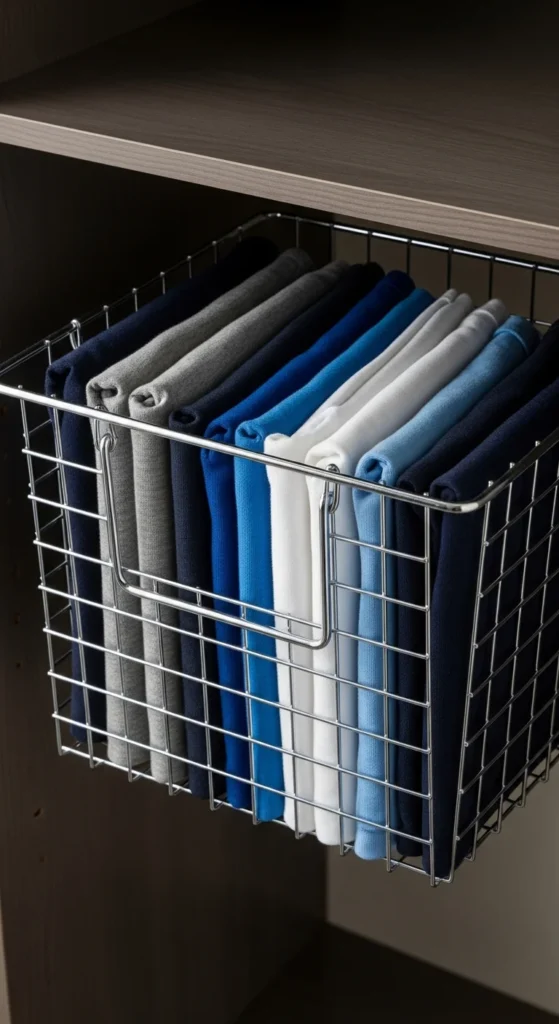
Pull-out baskets are perfect for small items like socks, underwear, or pajamas. Kids can see what’s inside without spilling everything. Use metal or wire baskets for durability and airflow. Label baskets with words or images to make sorting easier. These baskets can double as toy or craft storage when rotated seasonally. The sliding feature keeps items accessible and reduces mess on the floor.
6. Rotating Seasonal Closet
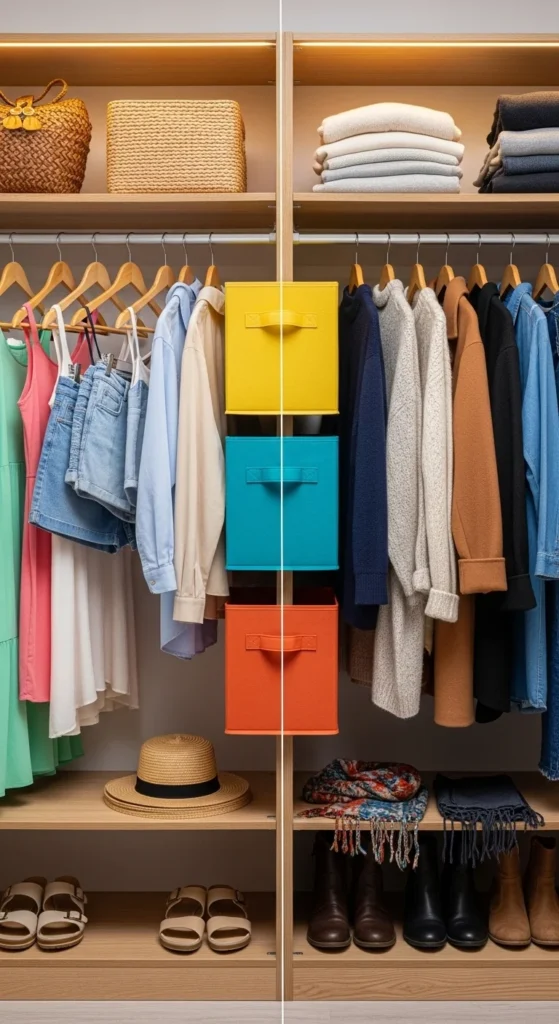
Keep out-of-season clothes in labeled bins on higher shelves or under the bed. Rotate items every season to reduce clutter and make daily choices easier. Vacuum-sealed bags or simple plastic bins work well. Teach kids to participate in the rotation—it helps them learn organization skills and keeps the closet manageable all year round.
7. Wall Hooks for Accessories
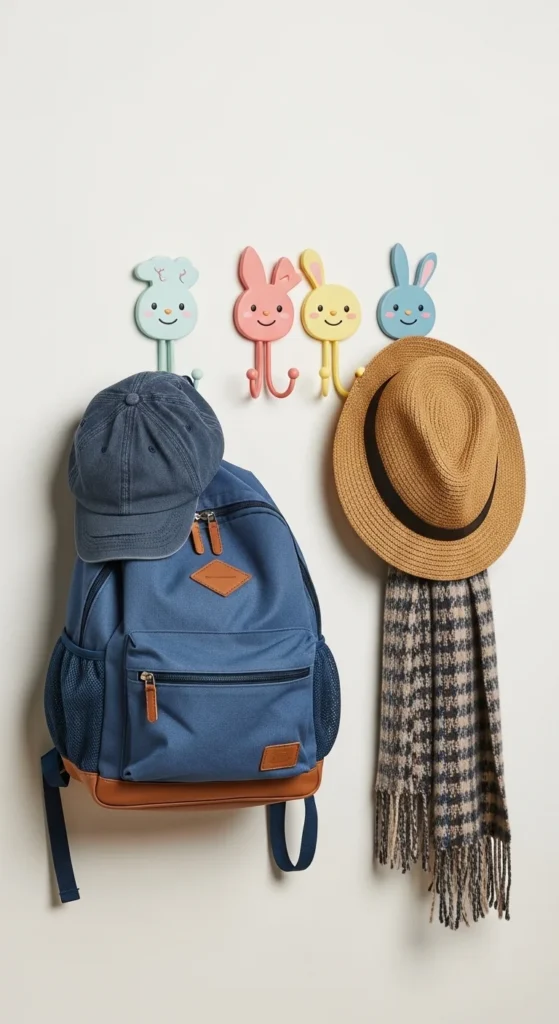
Install small wall hooks inside the closet for backpacks, hats, and belts. Hooks make items visible and off the floor. Use fun shapes or bright colors to attract kids’ attention. Label hooks with names or pictures if you have multiple children sharing a closet. Hooks are inexpensive and can turn wasted wall space into functional storage.
8. Open Cubby Storage
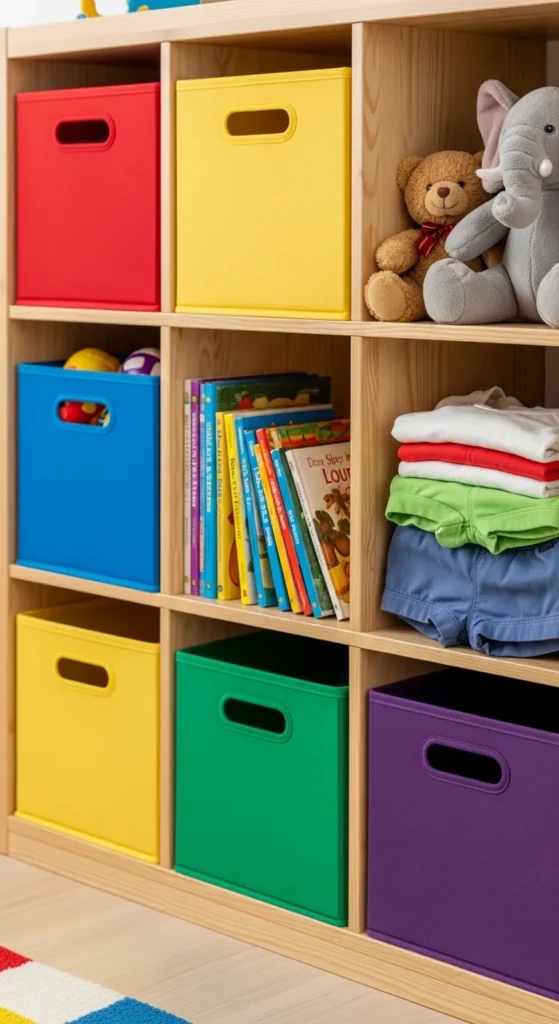
Cubby storage gives a home for every item. Each cubby can hold a specific type of clothing or toy, making cleanup easy. Add soft bins or baskets to make removal simple. Stack cubes for more vertical storage or leave them low for toddlers. The open design encourages kids to put things back without adult help. Cubby units can also double as display shelves for favorite items.
9. DIY Hanging Organizer
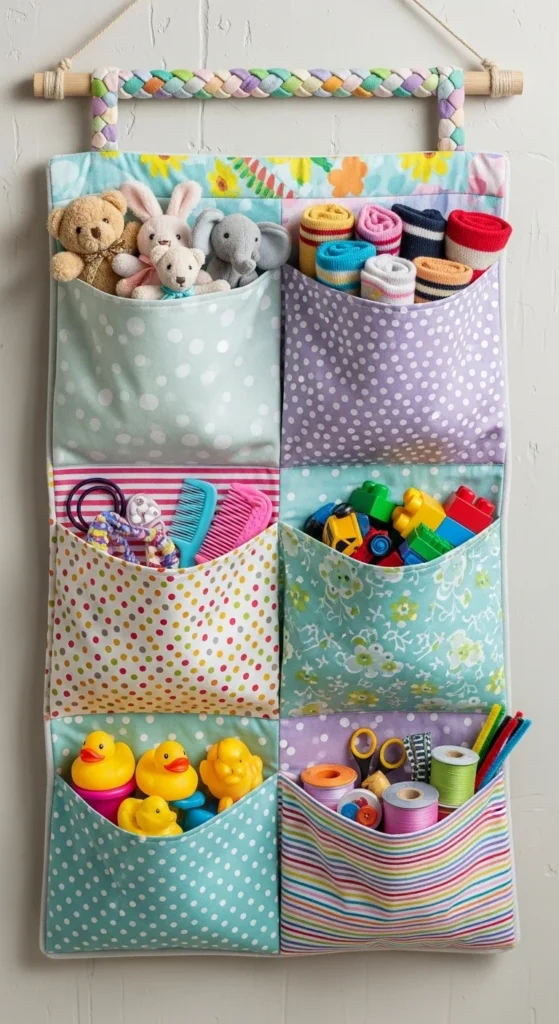
Hanging organizers with pockets are perfect for small items that get lost easily. Fabric organizers are lightweight, inexpensive, and easy to install on rods or doors. Each pocket can hold a specific item—socks, underwear, or hair accessories. Label pockets with drawings for younger children. These organizers keep tiny items visible, tidy, and accessible for kids of all ages.
10. Label Everything
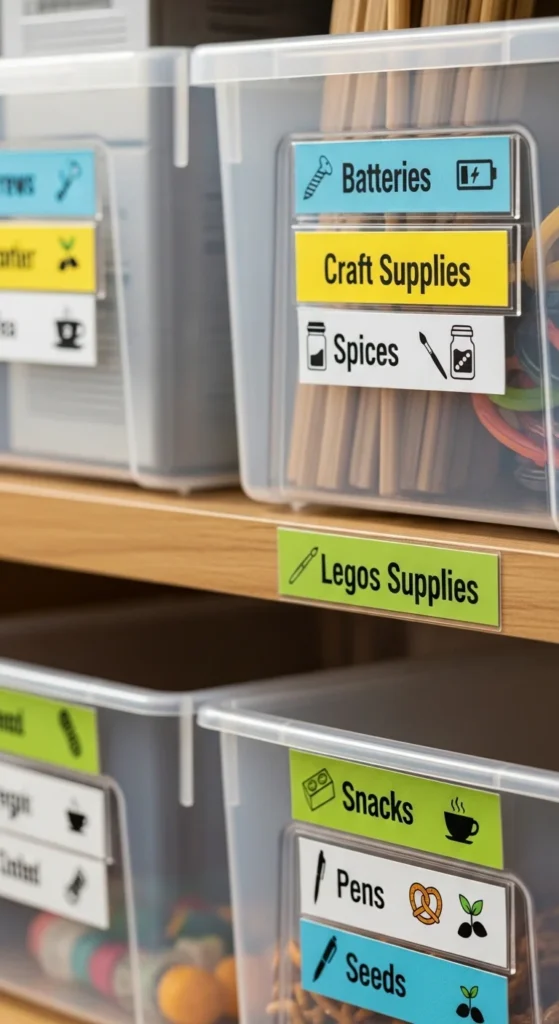
Labels are simple but powerful. They guide kids to put items back in the right place. Use words for older kids and pictures for toddlers. DIY labels on masking tape or printed stickers are affordable and customizable. Label shelves, bins, drawers, and hooks. Clear labeling reduces parent frustration and teaches kids responsibility while making the closet more visually organized.
11. Hanging Bag Storage
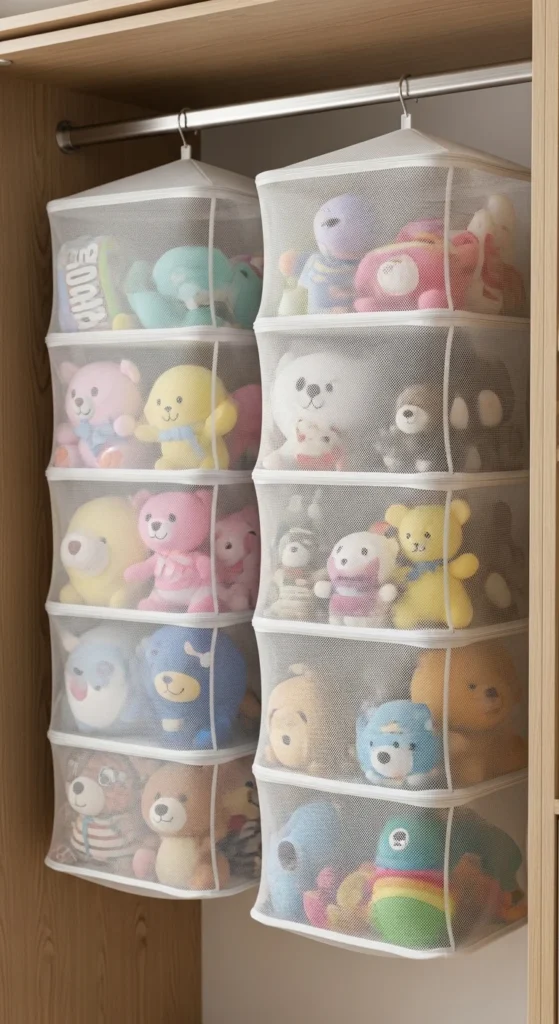
Hanging bags keep soft toys off shelves and reduce clutter. Sew or buy inexpensive hanging storage bags. Hang them on rods or hooks at kid height. Assign each child a bag for toys or seasonal gear. This method keeps toys contained and adds a whimsical touch to the closet. It’s easy to rotate contents and keeps shelves free for clothes.
12. Step Stool for Accessibility
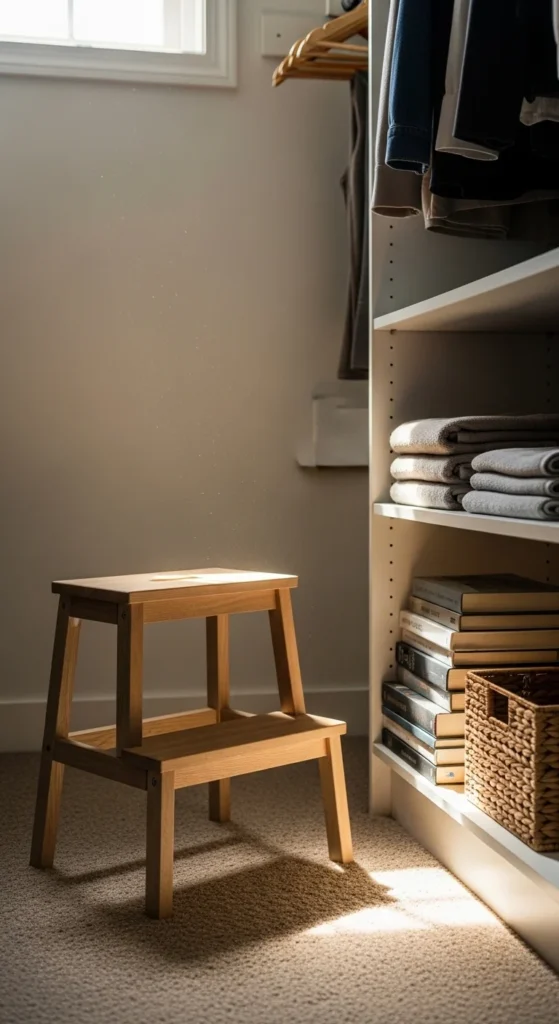
A small step stool lets kids reach higher shelves safely. Choose a sturdy stool with anti-slip feet. Even toddlers can access clothes and bins independently. Lightweight models are easy to move around and store under the bed or shelf. This simple addition increases independence and encourages kids to participate in organizing their own space.
13. DIY Pegboard Section
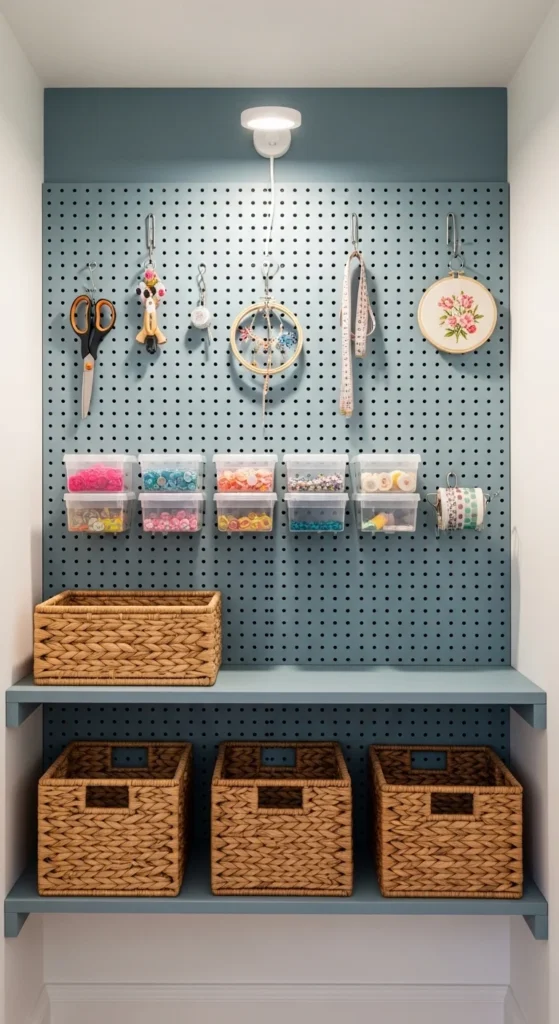
Pegboards are versatile for small closets. Use hooks, baskets, and clips to hold accessories, hats, or craft supplies. Paint it in a fun color for a playful touch. Pegboards allow you to customize storage as needs change, making them a long-lasting solution. Kids can quickly hang and remove items themselves.
14. Rolling Cart Storage
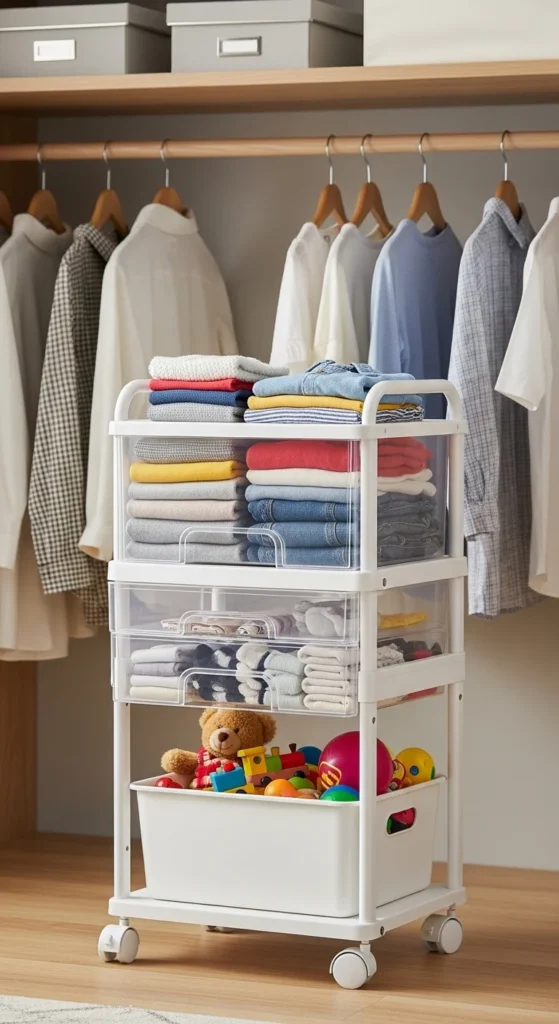
A rolling cart fits small closets perfectly. Store toys, clothes, or art supplies. Pull it out when needed and tuck it away when not in use. Budget-friendly carts can be found at discount stores. Label each drawer or basket to keep items organized. Mobility makes cleanup fast and fun.
15. Over-the-Door Organizers
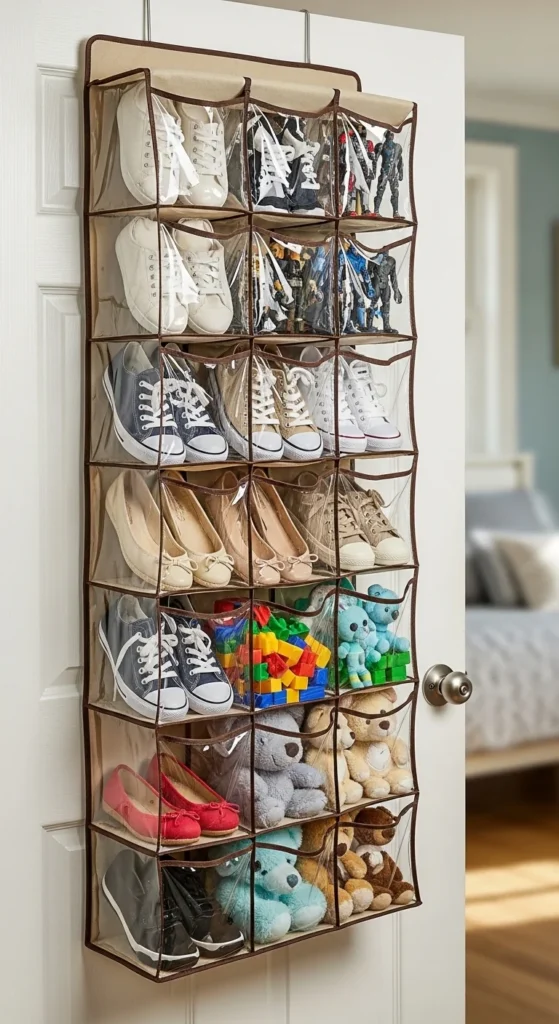
Over-the-door organizers maximize unused space. Use pockets for shoes, small toys, or accessories. Ensure straps are secure and at a safe height for children. DIY versions can be sewn or repurposed from old shoe organizers. This keeps floors clear while maintaining visibility of all items.
16. Folded Clothes by Category
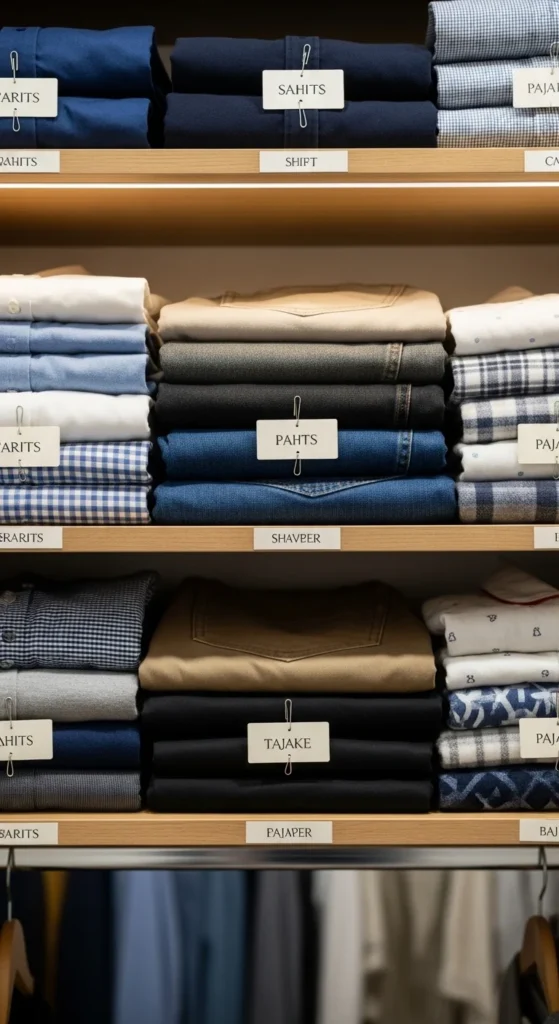
Fold clothes by type—shirts, pants, pajamas—so kids can see everything at once. Small shelves or cubbies work best for this. Use shallow bins or dividers for added order. This system prevents piles from toppling and encourages kids to learn folding and stacking skills over time.
17. Fun Themed Decor
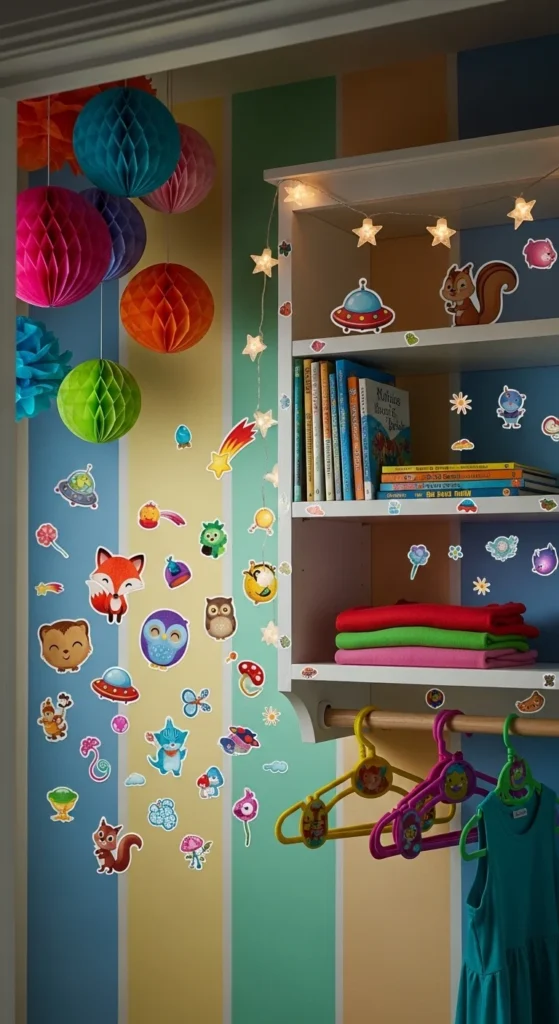
Add themed decals or wallpaper inside the closet to make it fun and inviting. A visually appealing space encourages kids to respect their organization system. Stickers, removable wallpaper, or fun knobs are inexpensive ways to add personality without overwhelming the closet.
18. Rolling Shoe Drawers
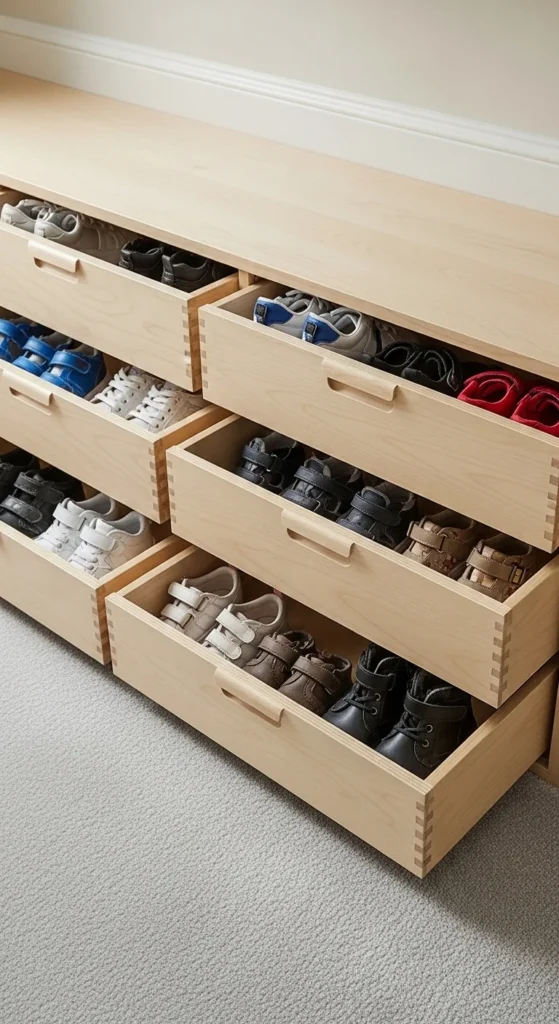
Instead of a standard shoe rack, use rolling drawers for easy access and hidden storage. Kids can pull out a drawer to choose shoes independently. Stackable designs are ideal for small spaces. Label drawers for each type of shoe to make mornings smoother.
19. Multi-Level Closet Rod
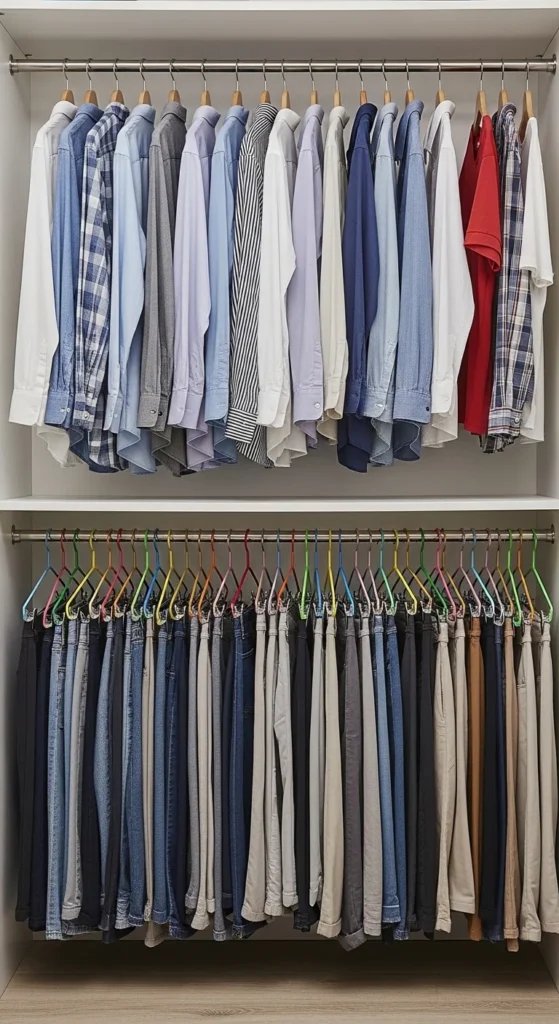
Double rods increase hanging space for kids of different ages. Hang shorter items on lower rods and longer items above. This keeps clothes organized by type and height. It’s an affordable way to maximize vertical space without building extra shelves.
20. Seasonal Toy Rotation
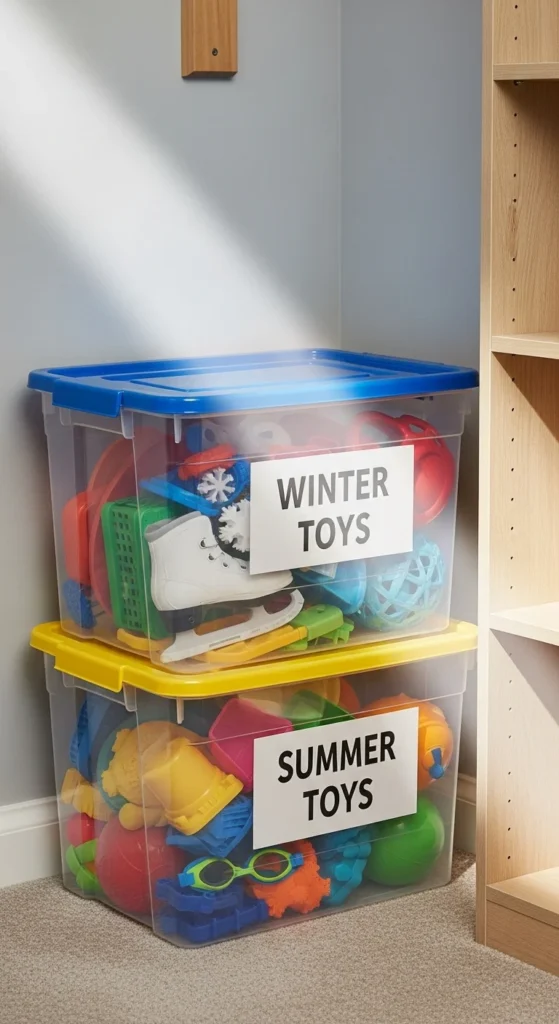
Rotate toys based on season. Keep some in bins stored out of reach to reduce clutter. Swap bins every few months. Kids enjoy the novelty of “new” toys, and the closet stays manageable. This system teaches organization and helps avoid overwhelming choices.
21. DIY Fabric Bins
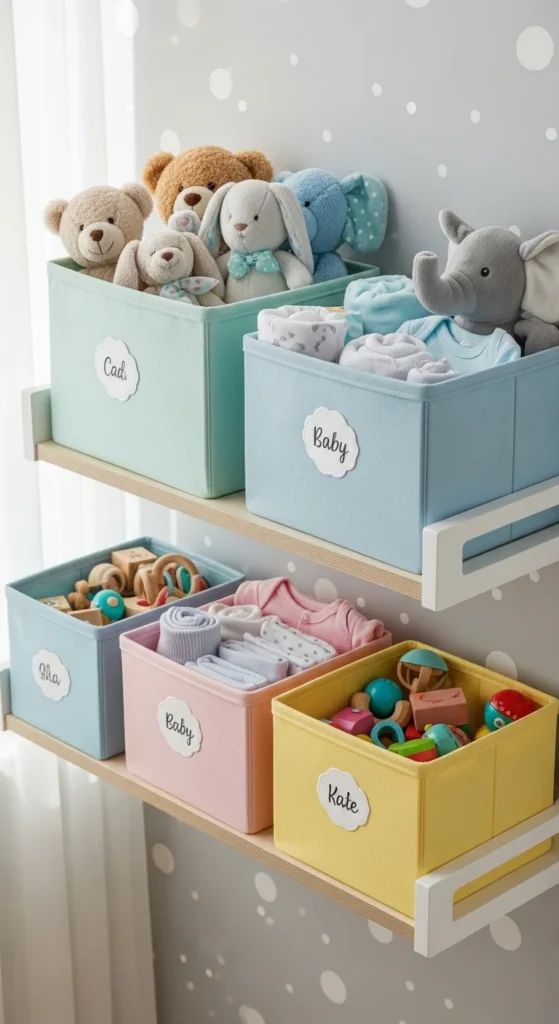
Fabric bins are soft, lightweight, and easy for kids to handle. Use them for toys, socks, or accessories. DIY versions can be sewn from scrap fabric, painted, or decorated with labels. Fabric bins also make cleanup more fun for younger kids.
22. Closet Dividers
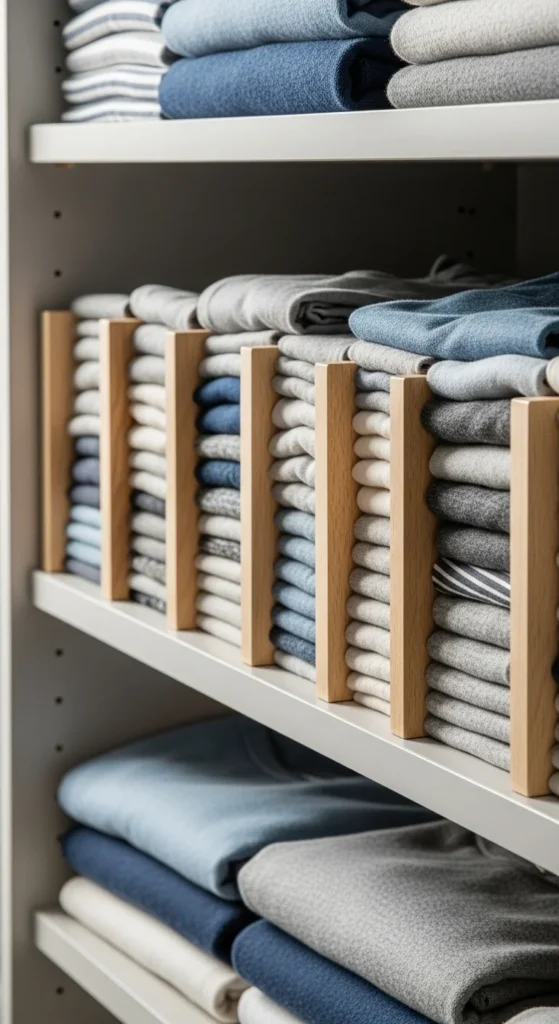
Use dividers to separate types of clothing or child’s sizes. They prevent piles from toppling. Affordable wooden or acrylic dividers work well. Dividers help teach children to put things back in the right section and maintain neat shelves.
23. Hanging Jewelry Organizer
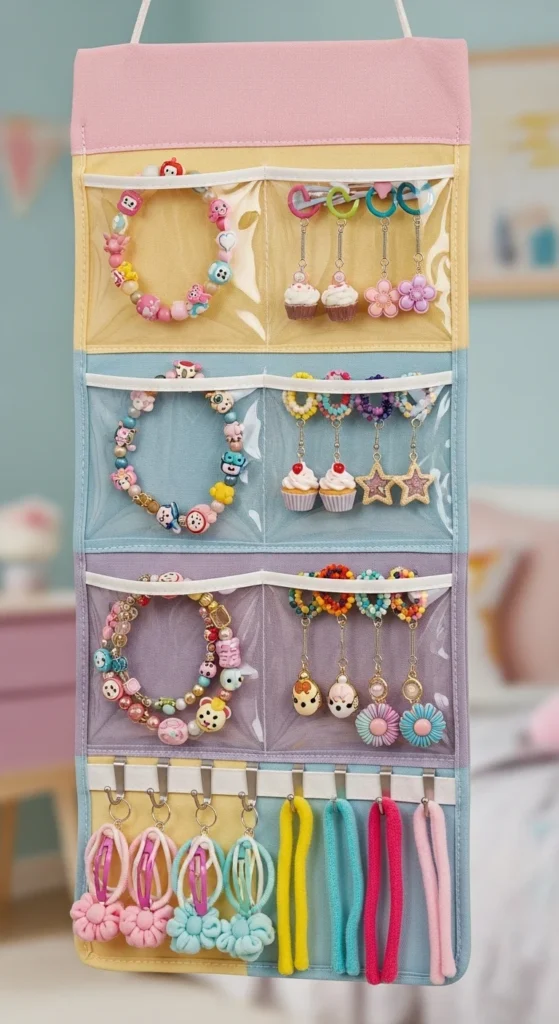
Keep jewelry, watches, and hair accessories in a small hanging organizer. Hang it on a rod or hook. Clear pockets let kids see what’s inside. This keeps small items untangled and easy to find, while adding a touch of organization flair.
24. DIY Chalkboard Labels
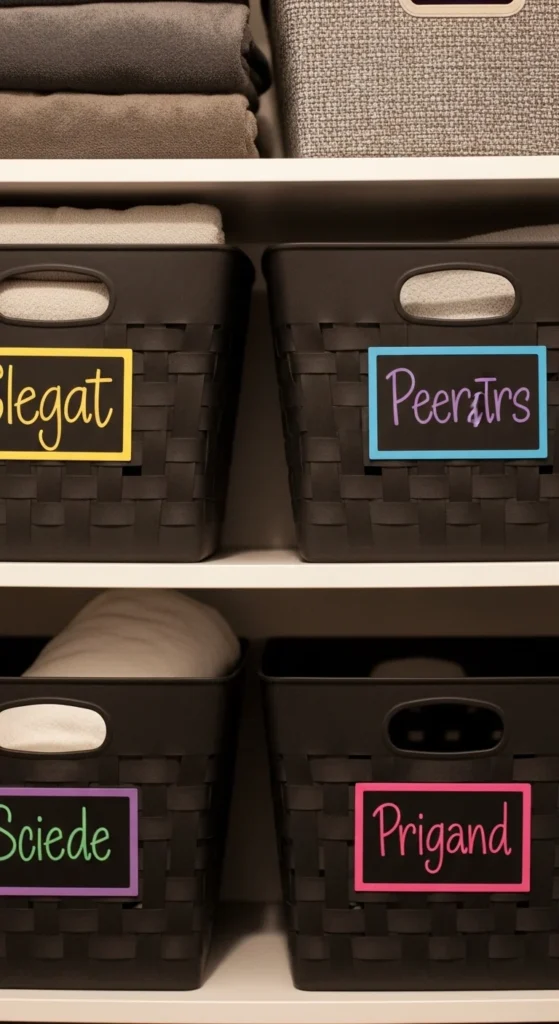
Chalkboard labels are reusable and customizable. Kids can write or draw on them, making organization interactive. Use them on bins, cubbies, or drawers. They’re inexpensive and add a playful, personalized touch to the closet while keeping items clearly categorized.
25. Hanging Belt and Scarf Rack
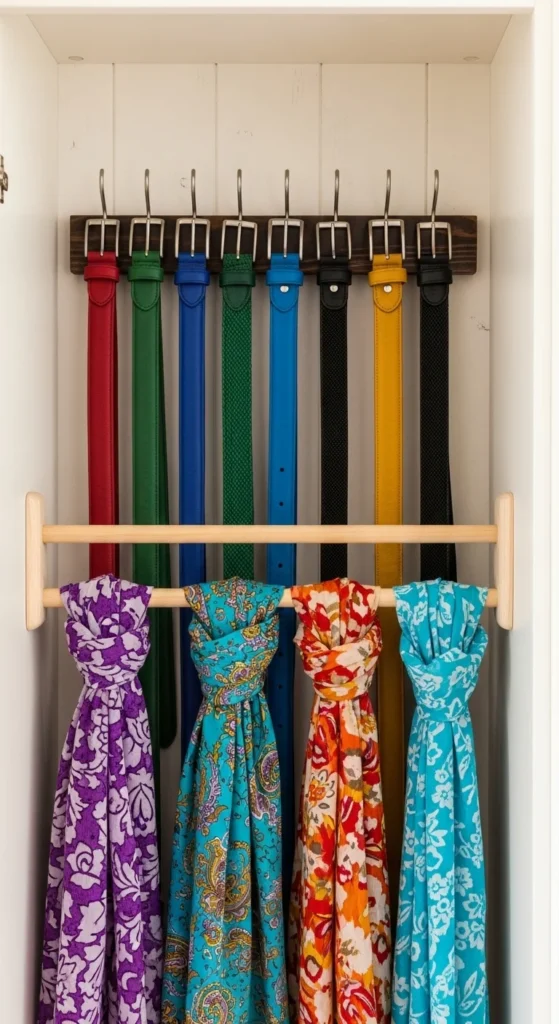
Belts, scarves, and ties can clutter drawers. Use a small hanging rack or hooks. Assign each child a section to reduce confusion. This keeps accessories visible and untangled while saving shelf space. DIY racks from dowels or old frames are budget-friendly solutions.
26. Mirror on Closet Door
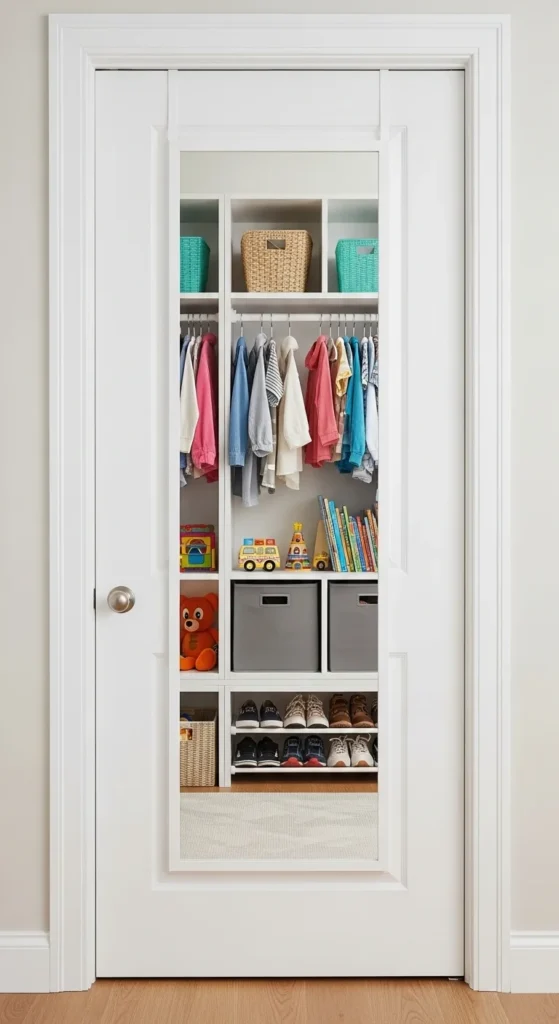
Add a mirror to the closet door so kids can see their outfit choices. Mirrors encourage self-dressing skills and make the closet feel bigger. Choose a lightweight, shatterproof option for safety. It’s a simple addition that enhances functionality without taking up space.
Conclusion
A well-organized kids’ closet is more than just tidy—it makes daily routines easier, encourages independence, and creates a calm, functional space. With these 26 ideas, from low-hanging rods to labeled bins, DIY hacks, and playful touches, any parent can transform a messy closet into a practical and cute area. Start small, involve your kids, and enjoy a closet that stays neat while keeping everything within reach.
Leave a Reply