

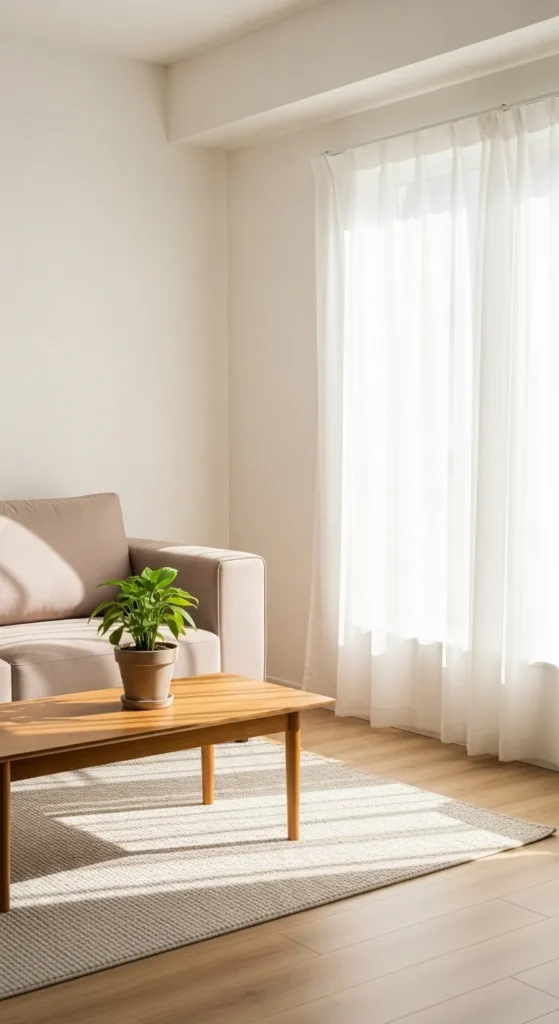
A minimalist home feels open, peaceful, and clutter-free. It’s not about empty rooms—it’s about creating calm through simplicity. Each piece has a purpose. Each detail adds harmony. Whether you’re designing a new space or refreshing your current one, minimalist decor can make your home feel more intentional and relaxing. Let’s explore 20 practical ideas that bring balance and beauty to every room.
1. Start with a Neutral Color Palette
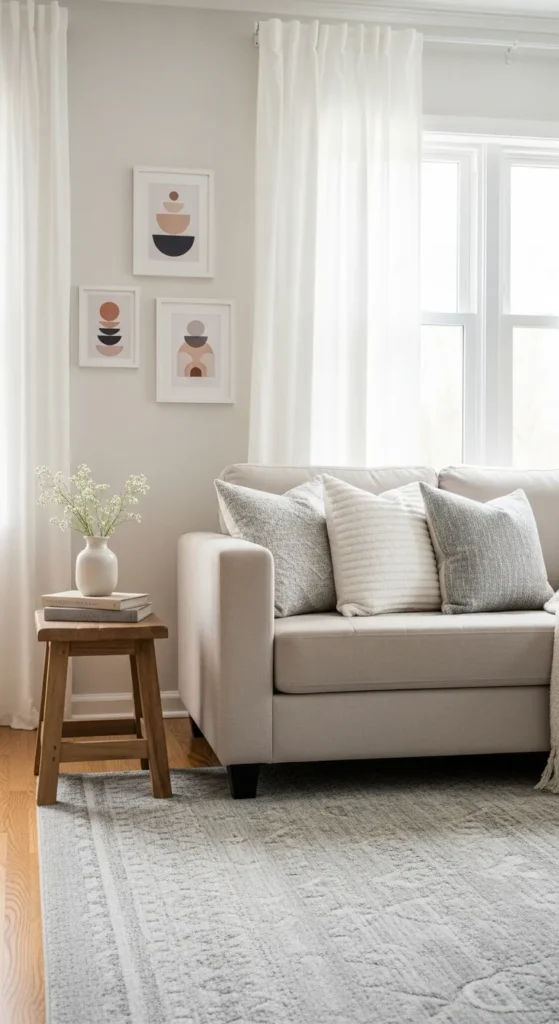
Neutral tones—white, cream, gray, or taupe—form the backbone of minimalist spaces. These shades calm the mind and create visual harmony. Choose one main color and stick with variations of it across walls, furniture, and textiles.
Budget tip: Repaint old furniture in white or soft gray for an instant reset. Add warmth with wood tones or woven accents.
2. Choose Quality Over Quantity
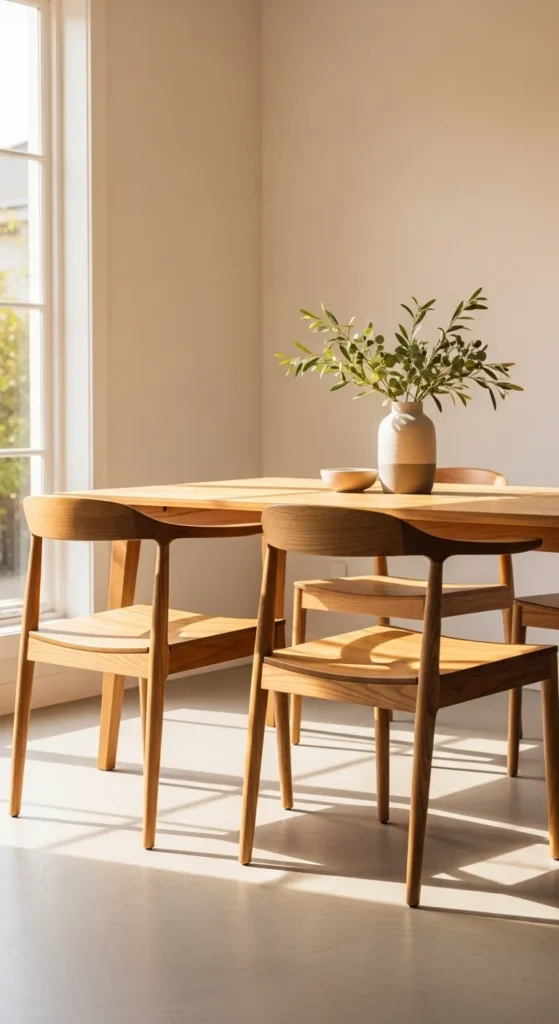
Minimalism values fewer but better items. Instead of filling a space with decor, focus on well-made essentials. Pick durable materials like wood, linen, or cotton. Each object should serve a purpose.
DIY idea: Refurbish old pieces—sand, paint, or stain them—to keep your space clean and sustainable.
3. Declutter Surfaces
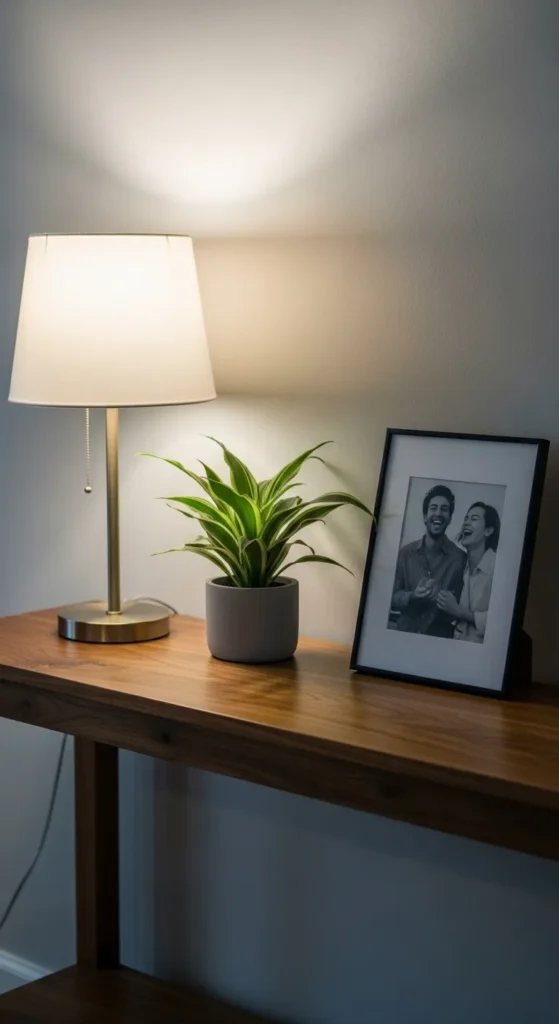
Flat surfaces can quickly collect clutter. Keep countertops, dressers, and tables nearly bare. Use hidden storage baskets for small items.
Tip: Make it a weekly habit to clear surfaces—just five minutes can make your home feel instantly lighter.
4. Embrace Natural Light
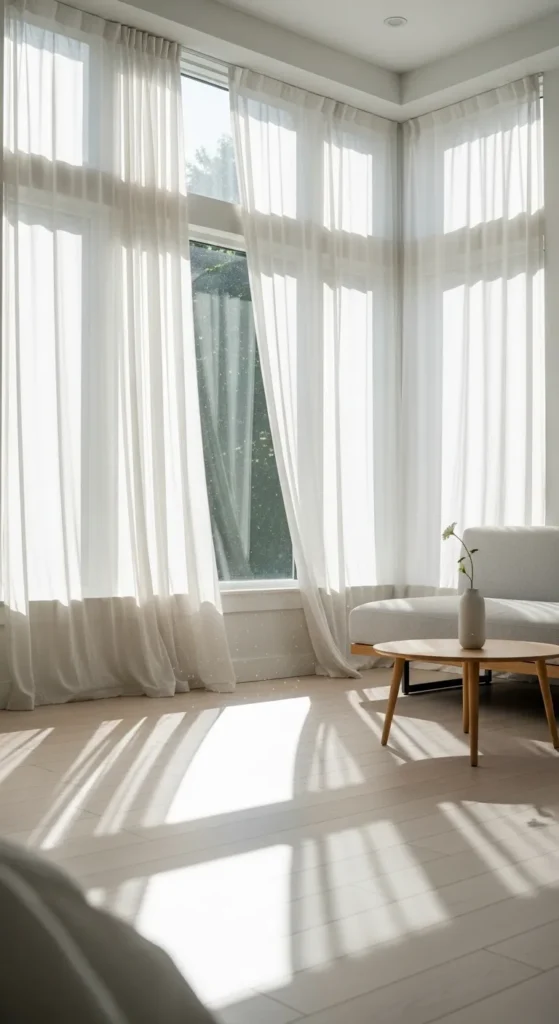
Natural light opens up any room. Remove heavy drapes and choose sheer fabrics instead. Mirrors can reflect light deeper into your home.
Budget-friendly idea: Rearrange your furniture to maximize sunlight exposure. Keep windows clean for a brighter effect.
5. Use Hidden Storage
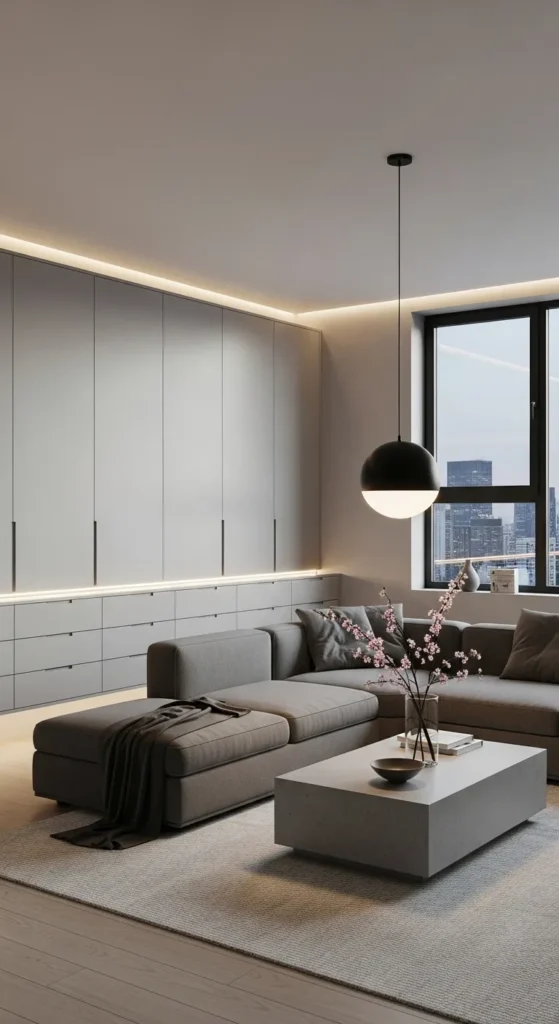
Clutter-free living depends on storage that hides what you don’t want to see. Use ottomans with compartments, bed drawers, and built-in cabinets.
DIY tip: Add simple shelving behind doors or inside closets to store essentials neatly.
6. Add Texture Through Natural Materials
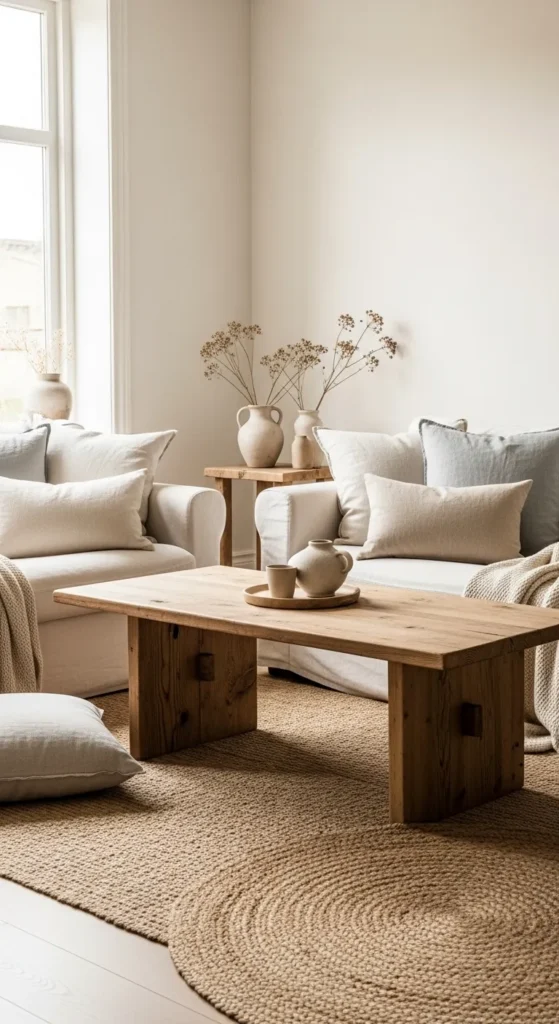
Minimal doesn’t mean cold. Add texture with natural materials like cotton, wool, jute, and rattan. These bring softness without adding visual chaos.
Budget trick: Swap synthetic throws for woven cotton or linen blankets—it adds calm instantly.
7. Keep Walls Simple
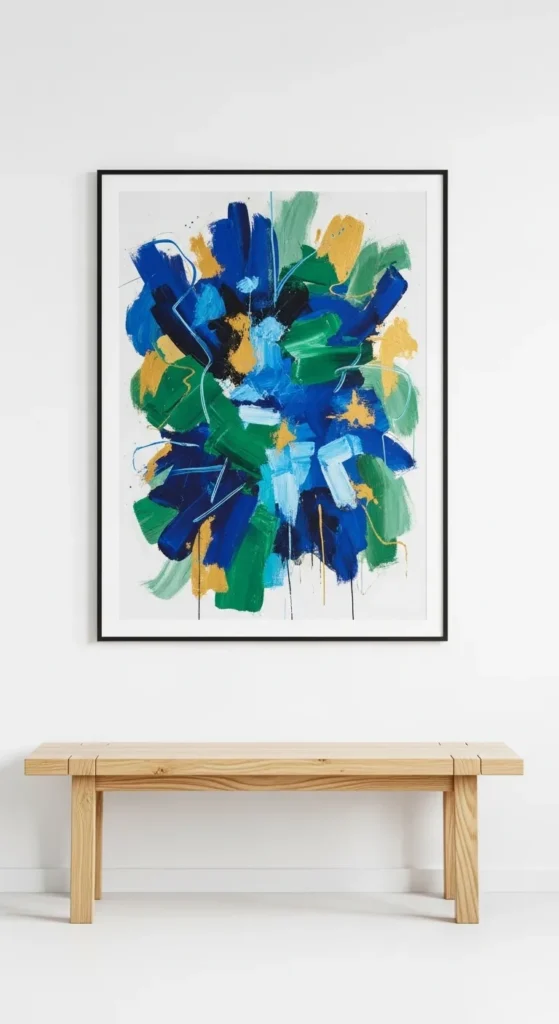
Skip gallery walls with dozens of frames. Choose one meaningful artwork or a simple mirror. Let the wall breathe.
Tip: Paint frames in the same tone as the wall for a unified look.
8. Opt for Open Space
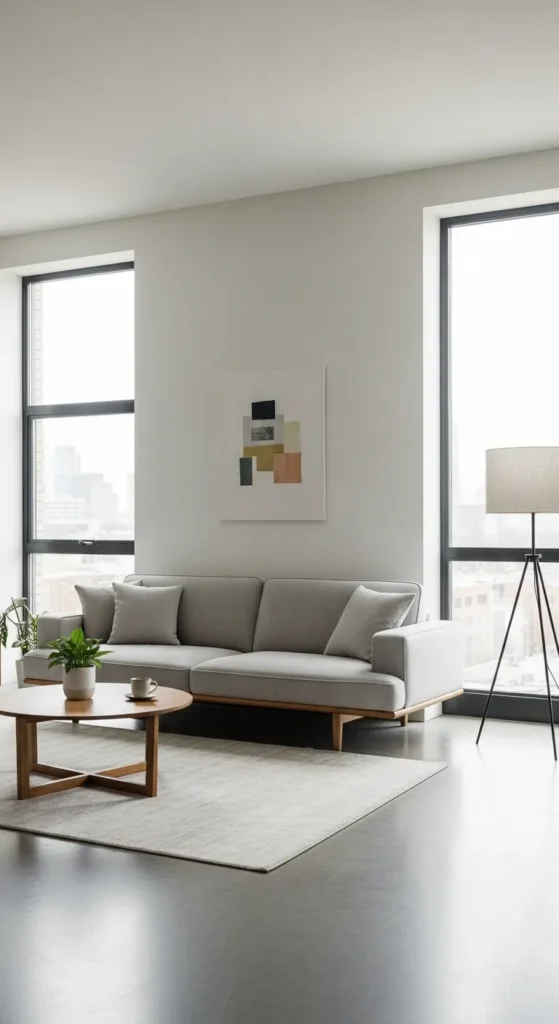
Resist the urge to fill every corner. Open space is part of the design. It gives the eye room to rest.
Budget advice: Before buying more furniture, ask—does this piece serve comfort or clutter?
9. Incorporate Greenery
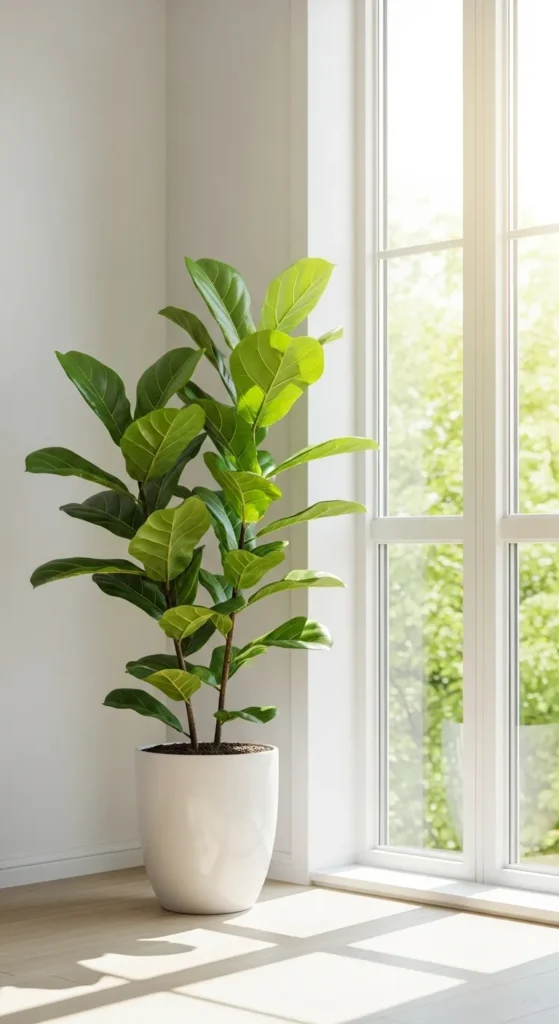
Plants add life and freshness without breaking minimalism. Choose easy-care ones like snake plants or monstera.
DIY tip: Use simple ceramic or terracotta pots for a natural touch.
10. Choose Simple Lighting
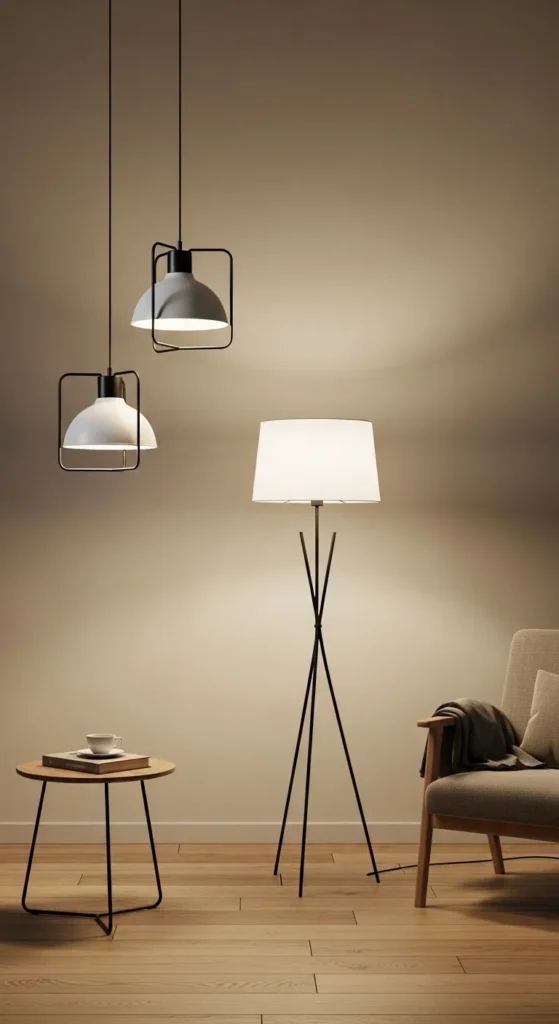
Lighting defines mood. Go for clean shapes—pendants, wall sconces, or floor lamps. Avoid ornate fixtures.
Budget idea: Replace lampshades with neutral fabric covers for a subtle upgrade.
11. Use Symmetry
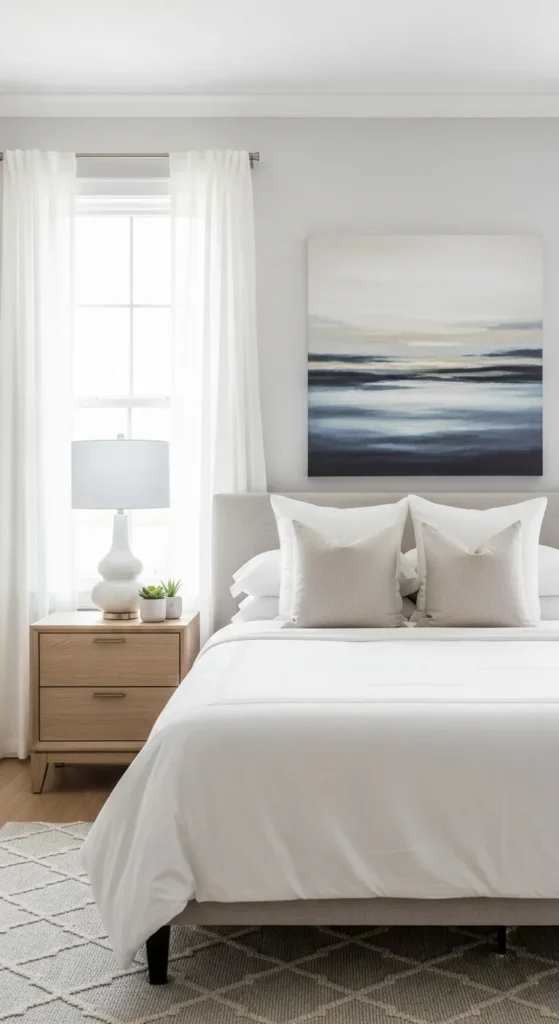
Symmetry creates visual order. Place furniture and accessories in balanced arrangements.
DIY tip: Even inexpensive matching lamps or pillows can create a polished look.
12. Limit Color Accents
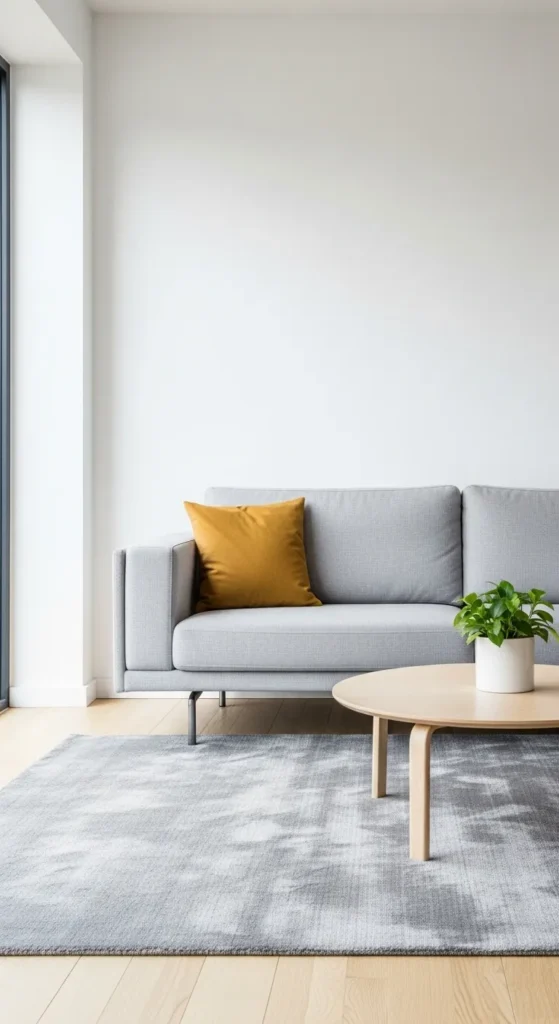
A pop of color can bring warmth—just keep it minimal. Use one accent shade sparingly.
Idea: Try soft greens, muted blues, or terracotta hues for subtle contrast.
13. Simplify Your Entryway
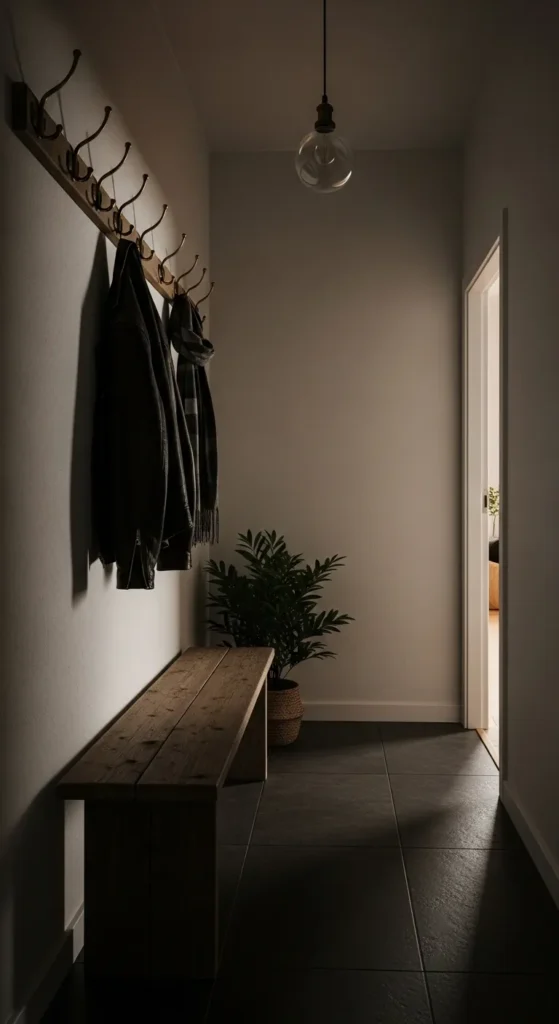
The entryway sets the tone. Keep it organized with hooks, a tray for keys, and a shoe rack.
Budget tip: Reuse baskets or small boxes to keep shoes or mail hidden.
14. Choose Functional Furniture
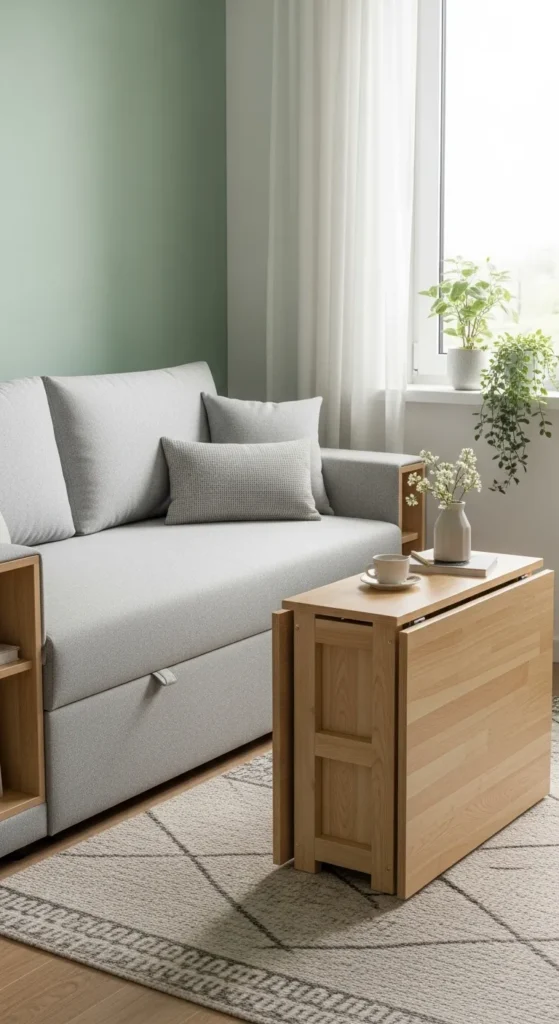
Furniture can double as storage. Look for multipurpose pieces—benches, nesting tables, or convertible sofas.
DIY trick: Add wheels to old crates for movable storage bins.
15. Keep Lines Clean
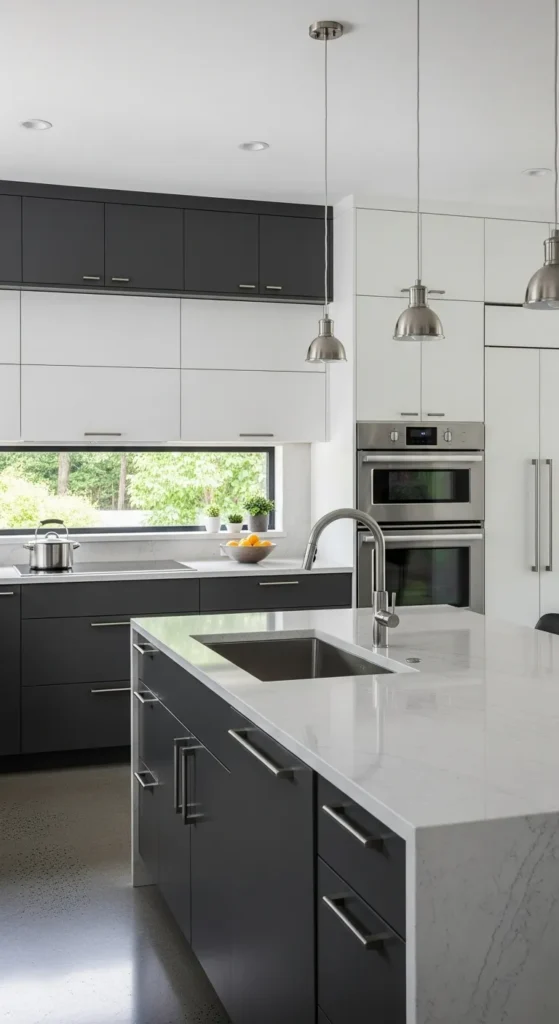
Sharp lines give minimalism its structure. Avoid overly decorative trim or detailing.
Tip: Swap old cabinet handles for simple matte black or brushed nickel pulls.
16. Add a Statement Piece
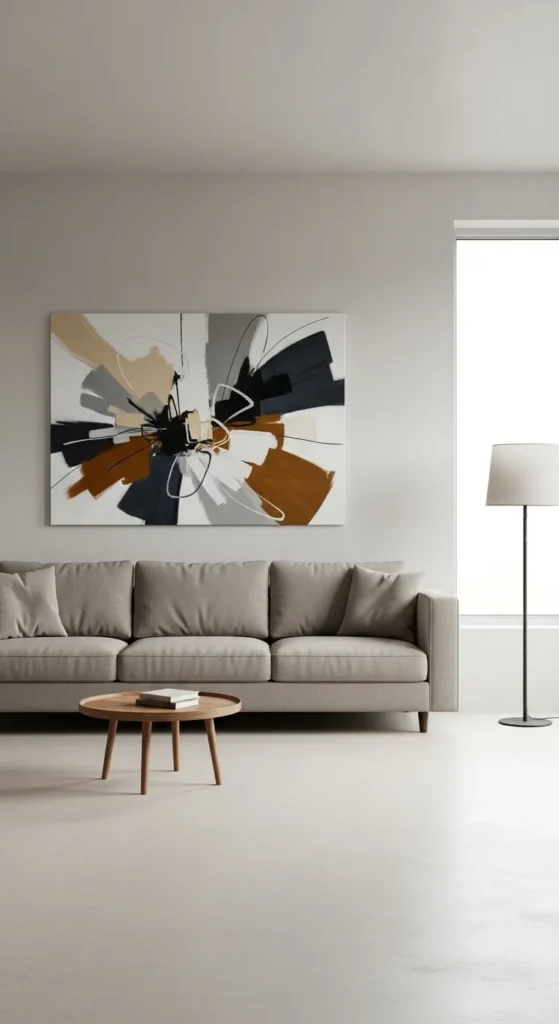
One bold piece—a sculpture, rug, or art—adds interest without clutter.
Budget tip: Create DIY art using neutral paints and textured canvases.
17. Layer Light Textures
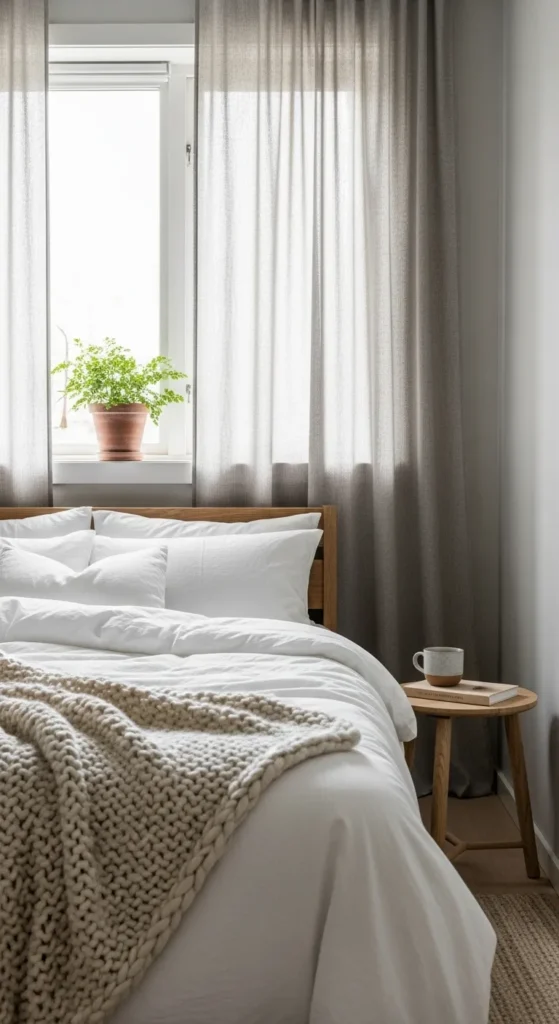
Layering keeps a minimalist room cozy. Use different light fabrics and tones.
Idea: Mix cotton, linen, and wool in whites and grays for depth without busyness.
18. Use Floating Shelves
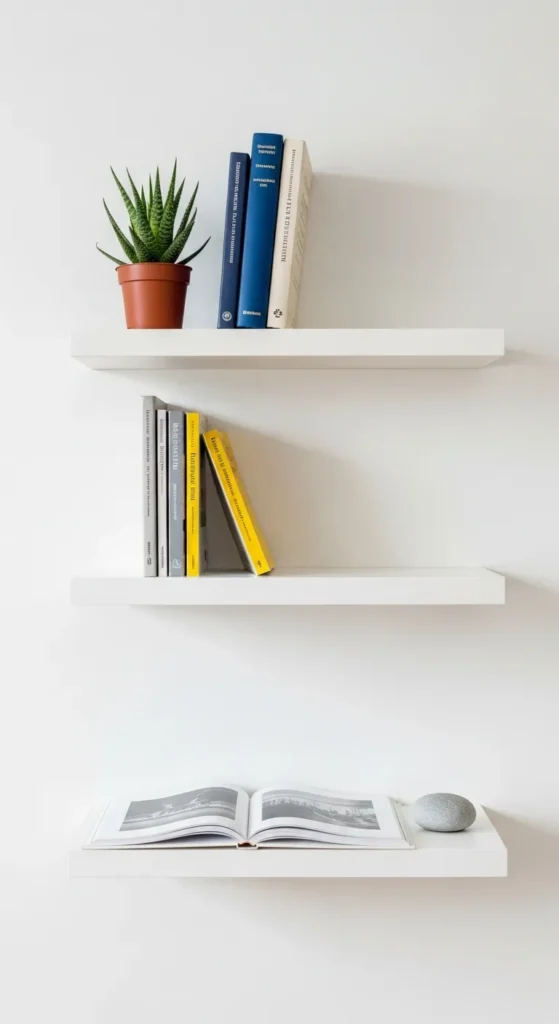
Floating shelves look modern and open. Use them sparingly—leave some space empty.
Budget idea: Build DIY shelves from reclaimed wood and metal brackets.
19. Hide Cables and Tech
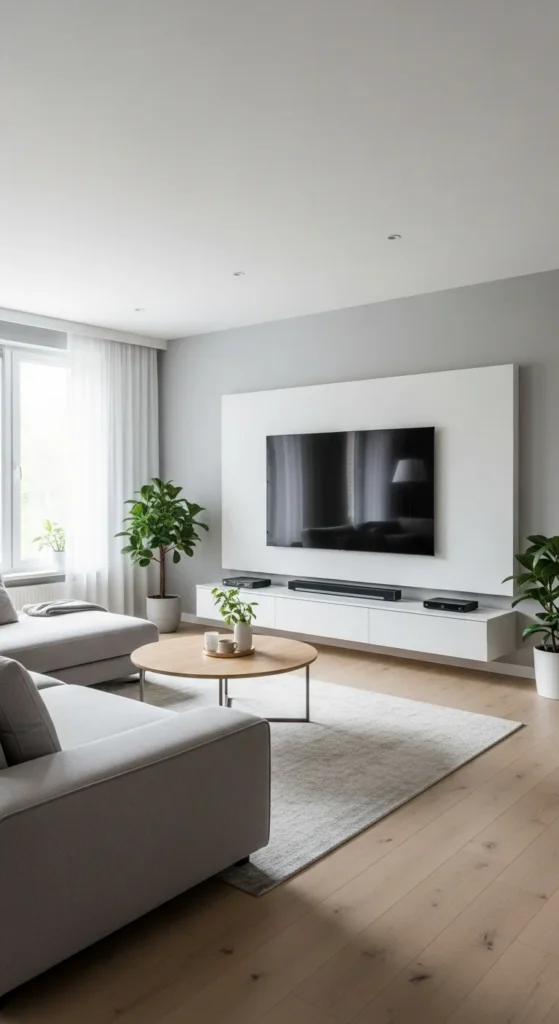
Messy cords ruin calm spaces. Use cord covers, baskets, or mounted panels to hide them.
DIY tip: Label cables and tie them together with simple wraps.
20. Create Breathing Space
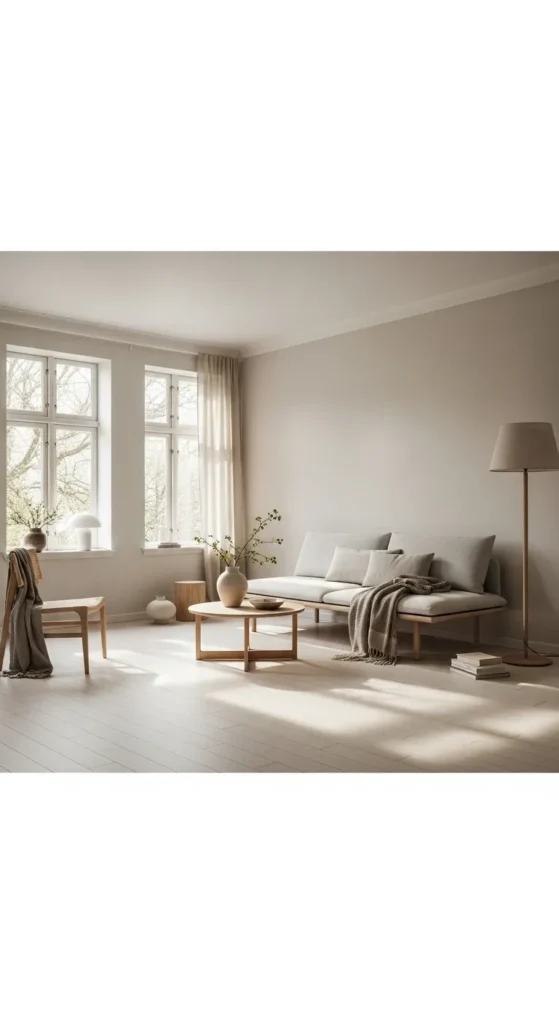
The final touch is space itself. Let your home breathe. Move furniture slightly apart. Leave blank walls.
Practical idea: After decluttering, remove one more item—you’ll instantly feel calmer.
Conclusion
Minimalist home decor isn’t about living with less—it’s about living with intention. Each space becomes lighter, more welcoming, and peaceful. Start small: declutter one shelf, repaint one wall, simplify one room. The calm that follows will inspire you to continue. Create a home that gives you mental clarity and quiet joy every day.
Leave a Reply